
Plants
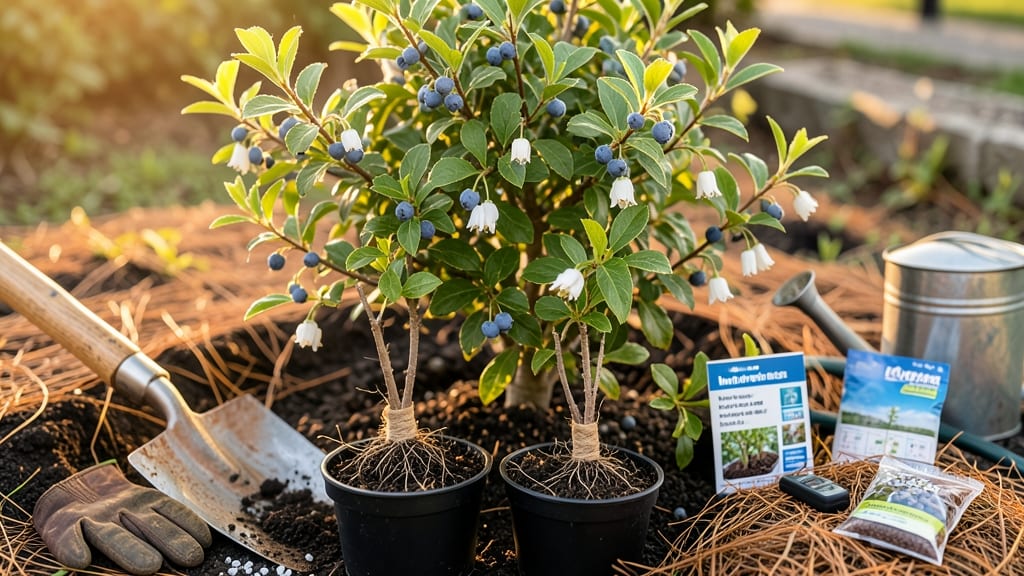
Best planting months for blueberries in Iowa’s hardiness zones
Iowa’s USDA hardiness zones 5a-6b create a unique challenge for blueberry growers. Unlike tropical plants, blueberries thrive in cooler climates but despise late spring frosts and hot summer droughts. The key is planting when soil temperatures reach 45°F (7°C) but before summer’s brutal heat arrives.
Most Iowa gardeners swear by fall planting (September-October) because cooler temps help roots establish before winter. However, spring planting (late April-early June) works too—just time it after the last frost date, which varies from April 15 in southern Iowa to May 1 in northern regions.
Here’s the critical timing breakdown for Iowa’s three main climate regions—southern, central, and northern—plus a visual guide to avoid common mistakes.
| Iowa Region | USDA Zone | Best Planting Window | Soil Temp Requirement | Frost Risk |
|---|---|---|---|---|
| Southern Iowa | 6a-6b | Late April–May 15 (spring) or Sept 1–Oct 15 (fall) | 45–50°F (7–10°C) | Low (after May 1) |
| Central Iowa | 5b-6a | Late April–June 1 (spring) or Sept 15–Oct 1 (fall) | 40–45°F (4–7°C) | Moderate (late May) |
| Northern Iowa | 5a-5b | May 1–June 10 (spring) or Sept 10–Sept 30 (fall) | 35–40°F (2–4°C) | High (late May–June) |
🌱 Pro Tip: Use black plastic mulch in spring to warm soil faster if planting early.
Fall planting is my top recommendation for Iowa because cooler temperatures reduce transplant shock. Plant 6-8 weeks before first frost (typically September-October) to let roots establish before winter dormancy. In northern Iowa’s zone 5a, aim for September 10–30 to avoid early freezes.
For spring planting, wait until soil is workable (not muddy) and nighttime temps stay above 50°F (10°C). In southern Iowa’s zone 6b, this is usually late April–May. Use row covers if late frosts threaten—blueberry flowers are extremely frost-sensitive.
Iowa’s microclimates matter too. Urban areas (like Des Moines) often warm up faster than rural zones, while northern hills (e.g., near Waterloo) stay colder longer. Check your local Cooperative Extension office for precise frost dates—it’s worth the call!
One common mistake is planting too late in spring. If you miss the June 1 window, wait for fall. Blueberries planted in July or August struggle to root before winter, leading to poor survival rates. Always prioritize root establishment over fruit production in your first year.
Finally, container growing extends your options. Potted blueberries can be moved to protected microclimates (like near south-facing walls) or brought indoors during extreme cold snaps. Just ensure containers have drainage holes and use acidic potting mix.
Ready to plant? Grab your garden gloves—Iowa’s blueberry season starts with the right timing! 🫐
Signs your Iowa soil is ready for blueberry planting (and how to fix it)
Blueberries are fussy about soil, and Iowa’s naturally alkaline dirt can spell disaster if you don’t prepare it first. The perfect pH range for blueberries is 4.5–5.5, but most Iowa soil tests between 6.5–8.0.
Without adjustments, your bushes will struggle to absorb nutrients, leading to yellow leaves and poor fruit production.
Before planting, test your soil’s pH and organic matter. Iowa State University Extension offers free or low-cost soil tests—mail a sample to their lab for precise results. Look for low organic matter (below 3%) or high calcium levels, both common in Iowa’s glacial till soils.
These signs mean your soil needs serious amendments before blueberries will thrive.
To fix high pH soil, mix in sulfur or peat moss (apply 2–3 pounds of elemental sulfur per 100 square feet and water thoroughly). For low organic matter, amend with composted pine bark or well-rotted leaf mold.
Work these amendments into the top 12 inches of soil at least 2–3 months before planting to let them break down.
Another critical sign of ready soil is good drainage. Blueberries hate soggy roots, so test drainage by digging a 12-inch hole and filling it with water. If it drains in 4 hours or less, your soil is ideal.
If water pools, raise beds or blend in sand or perlite to improve aeration. Iowa’s clay-heavy soils often need this step!
For container growing (great for urban Iowa gardens), use a pre-mixed acidic potting soil with 50% peat or pine bark. Avoid generic garden soil—it’ll bake into a brick and suffocate roots. Containers also let you control pH precisely, which is a lifesaver in Iowa’s variable climate.
Finally, mulch with pine needles or wood chips to maintain acidity and retain moisture. Re-test soil annually in spring—Iowa’s limestone-rich water can slowly raise pH over time. With the right prep, your blueberries will flourish in Iowa’s tough conditions and reward you with bountiful harvests for decades. 🌱💧