
Plants
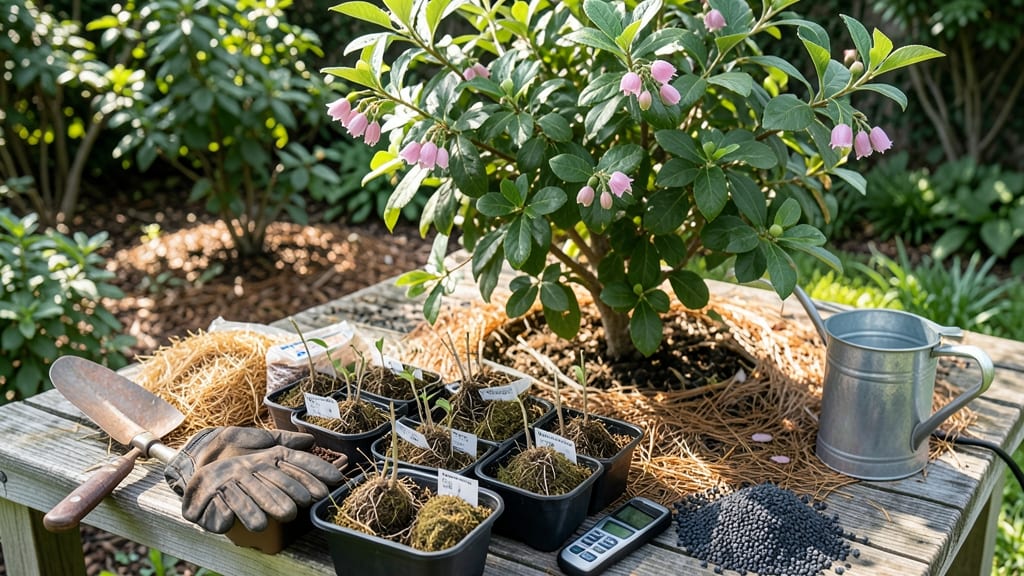
Planting blueberries in Zone 8b at the wrong time can mean the difference between a thriving bush and one that struggles to take root. With the right timing, your 🫐 plants will establish strong roots before summer heat sets in, setting you up for a bountiful harvest.
The key window is late winter to early spring, when soil temperatures are cool but warming up—perfect for root growth before the growing season kicks into gear.
Why does timing matter so much? Blueberries are sensitive to frost, and planting too early risks exposing young roots to cold snaps, while waiting too long can stress the plant before it’s ready for summer’s heat.
In Zone 8b, where frost can linger until mid-February, getting the timing right ensures your bushes have a fighting chance from day one. I’ll break down the exact months to plant and how to prepare your soil for success.
You might be wondering whether fall planting is an option—it can work in some climates, but Zone 8b’s unpredictable late-season frosts make spring the safer bet. Plus, spring planting gives you more control over soil conditions and moisture levels, both critical for blueberry health.
Let’s dive into the steps to plant your blueberries at the perfect time for maximum growth and flavor.
From choosing the right variety to adjusting for microclimates in your area, this guide covers everything you need to know to plant blueberries with confidence.
Whether you’re a beginner or a seasoned gardener, these tips will help you avoid common pitfalls and set your bushes up for years of delicious harvests. Ready to get started?
Best months to plant blueberries in Zone 8b for maximum success
Blueberries thrive in Zone 8b when planted during their optimal dormancy window, which balances root establishment with frost avoidance. Unlike cooler zones, Zone 8b’s mild winters and hot summers demand precise timing to prevent stress or heat shock.
The best window is late winter to early spring, but fall planting can work too—if done correctly.
Zone 8b’s last frost date (around February 15) signals the start of your planting window. Planting 4–6 weeks before this date ensures roots establish before warmth triggers growth.
For example, January and February are ideal for bare-root plants, while November (early fall) works for container-grown bushes if temperatures stay above 40°F.
Why timing matters: Blueberries need 60–120 days to harden off before winter. Planting too early risks root rot from winter moisture, while planting too late exposes tender roots to heat stress. In Zone 8b, early spring (March–April) is a safe fallback if fall planting isn’t feasible.
📅 Zone 8b Blueberry Planting Timeline
| Season | Best Planting Window | Soil Temp Requirement | Key Consideration |
|---|---|---|---|
| Fall | Late October–November | 45–55°F | Avoid planting if frost is forecasted within 2 weeks. |
| Winter | January–February | 40–50°F | Ideal for bare-root plants; soil should be workable but not frozen. |
| Spring | March–April | 50–60°F | Best for container-grown plants; avoid if soil is waterlogged. |
Zone 8b’s microclimates can shift planting windows by 2–4 weeks. Coastal areas (e.g., San Diego) may plant 1–2 weeks later due to milder winters, while inland zones (e.g., Phoenix) should plant earlier to escape summer heat.
Check your local frost maps—tools like the USDA Plant Hardiness Zone Map or Almanac’s Frost Calculator are goldmines for precision.
For container-grown blueberries, timing is less critical but still matters. Plant anytime soil temps stay above 40°F, but prioritize early spring to maximize the growing season. Containers warm faster, so avoid planting in peak summer (June–August) when roots can overheat.
Pro tip: If you miss the ideal window, late fall (December) is a second-best option for container plants. Just ensure they’re mulched heavily and protected from freezing winds.
In my Zone 8b garden, I’ve planted in December with success—just add a breathable frost blanket for the first few nights.
One common mistake? Planting too close to summer. Blueberries planted in May or June struggle to establish before the 100°F+ heat of Zone 8b summers. Roots need cool, moist soil to grow, so spring or fall are non-negotiable for in-ground planting.
For rabiteye varieties (like 'Duke' or 'Powderblue'), which thrive in Zone 8b, early spring planting is critical—they need longer chilling hours to fruit well. Southern highbush types (e.g., 'Premier') are more flexible but still prefer cool-season planting.
Remember: Soil temperature matters more than air temperature. Use a soil thermometer to confirm 50°F+ before planting. In my experience, March is the sweet spot—roots wake up, but the risk of late frosts is minimal. Plant then, and you’ll see faster establishment and better yields by summer.
Best months to plant blueberries in Zone 8b for maximum success
In Zone 8b, blueberries thrive when planted during late winter or early spring, but timing is critical. The ideal window is between January and early April, right after the last frost date (typically mid-February). This gives roots time to establish before summer heat arrives.
Why timing matters: Planting too early risks frost damage, while late planting delays root growth. Soil temperatures should be above 40°F (4°C) for optimal root development. In Zone 8b, March is the sweet spot for most gardeners.
For fall planting (less common but viable), aim for late September to early October. This allows roots to settle before winter dormancy. However, avoid planting after mid-October, as roots won’t have enough time to harden off.
🌱 Blueberry Planting Timeline for Zone 8b
| Stage | Action | Key Notes |
|---|---|---|
| Soil Prep | Adjust pH to 4.5–5.5 | Use sulfur or peat moss |
| Planting Window | Jan–Apr (spring) or Sep–Oct (fall) | Avoid frost-prone periods |
| Root Establishment | Water deeply weekly | Keep soil moist but not soggy |
| First Harvest | 2–3 years after planting | Full sun + acidic soil required |
Microclimate matters in Zone 8b. If you live in cooler microclimates (e.g., near water or higher elevations), extend planting to early May. For warmer microclimates (urban heat islands), plant by late February to avoid summer stress.
Pro tip: Check your local USDA frost map and plant when nighttime temps stay above 35°F (2°C). Use mulch to protect roots if early frosts linger.
Remember: Container planting gives you flexibility. In Zone 8b, you can plant potted blueberries in late spring (April–May) and move them to a sheltered spot in winter. Just ensure they get full sun year-round.