
Plants
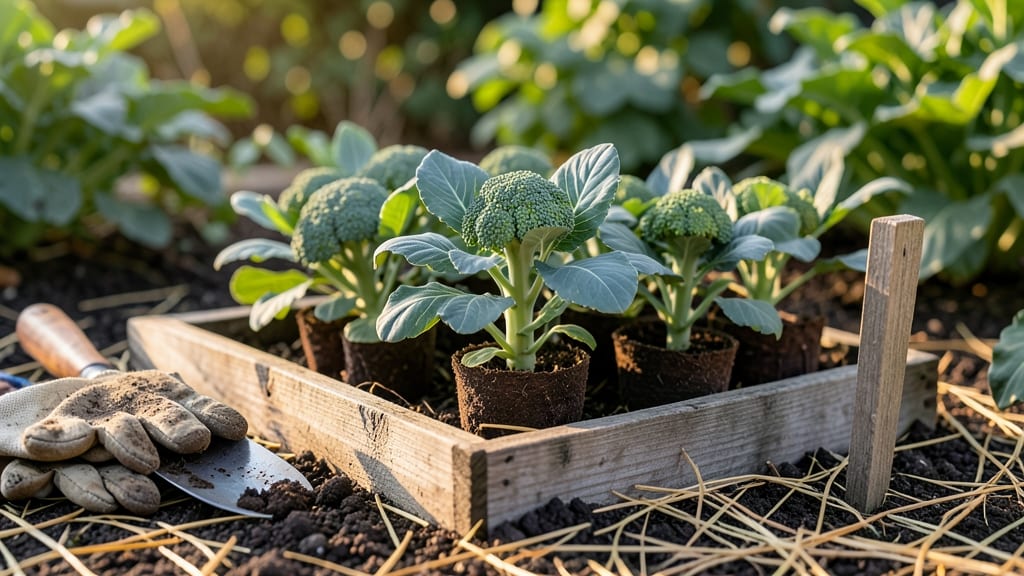
Massachusetts broccoli planting calendar by hardiness zone (5A-7B) and frost dates
Massachusetts spans USDA zones 5A to 7B, meaning your last frost date can vary dramatically—from mid-April in inland areas to early May in coastal zones. Broccoli thrives in cool weather (50-75°F), so timing your plantings around these frost dates is critical.
The key windows are early spring (March-April) and late summer (August-September) for fall harvests.
For spring plantings, aim to transplant seedlings 4-6 weeks before your last frost date. In zone 5A (inland MA), this means early March for cold-hardy varieties like 'Waltham 29'.
Coastal gardeners in zone 6B+ can wait until late March. Fall plantings should occur 8-10 weeks before your first frost—typically mid-August to early September in most of the state.
Direct sowing is also an option, but broccoli seedlings are fragile in cold soil. Wait until soil temperatures reach 40°F+ (usually mid-April for spring or late August for fall). Coastal areas with milder microclimates can start 2-3 weeks earlier than inland zones.
Here’s how to match your zone to the perfect planting window:
| Zone | Last Frost Date | Spring Planting Window | Fall Planting Window | Harvest Window |
|---|---|---|---|---|
| 5A (Inland) | Mid-April | Early March (transplant) or Mid-April (direct sow) | Mid-August to Early Sept | May-June or Sept-Oct |
| 6A (Central MA) | Late April | Late March (transplant) or Late April (direct sow) | Late August | Late May-July or Sept-Oct |
| 6B (Coastal) | Early May | Early April (transplant) or Early May (direct sow) | Early Sept | June-August or Oct |
| 7A/7B (Southeast MA) | Mid-May | Mid-April (transplant) or Late April (direct sow) | Mid-Sept | Late June-Sept or Oct-Nov |
Pro tip: Use row covers to extend your spring planting window by 2-3 weeks in cooler zones. For fall, choose fast-maturing varieties (50-60 days) like 'Calabrese' to beat the frost. In zone 7B, you can even squeeze in a third planting in early July for a late-summer harvest.
Soil temperature is just as critical as air temperature. Use a soil thermometer to confirm it’s 40°F+ before planting. In cooler microclimates (like the Berkshires), opt for cold-tolerant varieties like 'De Cicco' and plant 2 weeks earlier than the general guideline.
For container gardening, start seeds indoors 6-8 weeks before transplanting and use black plastic mulch to warm the soil faster. Coastal gardeners can push the envelope with early February starts under grow lights, but be prepared to harden off seedlings slowly if late frosts hit.
Remember: Broccoli hates heat. If you plant in July or August, the heads will bolt (go to seed) quickly. Instead, focus on late summer plantings (August) for a fall harvest before frost. In zone 5A, this means harvesting by mid-October—don’t wait until November!
🌱
How to extend the broccoli growing season in massachusetts using succession planting
Massachusetts’ short growing season means we can’t rely on a single planting to feed us all summer. That’s where succession planting comes in—a game-changer for broccoli lovers.
By staggering plantings every 2-3 weeks, you’ll enjoy fresh heads from late spring through fall, even in cooler zones like 5A. The key is choosing fast-maturing varieties and protecting young plants from late frosts.
Start with early-maturing varieties like 'Waltham 29' (58 days) or 'Calabrese' (60-70 days) to maximize harvests. These varieties thrive in MA’s climate and give you flexibility. For example, plant your first batch in early April, then repeat every 3 weeks until mid-July.
This ensures a continuous supply while avoiding the black rot risk that peaks in humid summers.
🌱 Pro Tip: Use row covers or cold frames to shield seedlings from late spring frosts (common until mid-May in inland zones). These tools buy you 2-3 extra weeks of planting time, extending your first harvest window. Just remove covers once plants are established to prevent overheating.
Succession Planting Timeline for Massachusetts Broccoli
- Early April: First planting (transplants or direct sow). Use row covers if frost is forecasted.
- Mid-May: Second planting (after last frost). Choose heat-tolerant varieties like 'De Cicco'.
- Early June: Third planting. Opt for fast-maturing types to avoid summer bolting.
- Late July: Final planting for fall harvest. Protect with lightweight row covers to delay frost.
📅 Harvest Tip: Each batch should yield heads in 70-90 days, aligning with MA’s frost-free window.
Don’t overlook fall planting—it’s your secret to a second harvest! Sow seeds in early August for a September-October crop. Use black plastic mulch to warm the soil and extend the season by 2-3 weeks. This trick works especially well in coastal zones (6A/7A), where summers are milder.
For container gardeners, succession planting is even easier. Use 5-gallon pots and replace spent plants with new seedlings every 3 weeks. This method works well on patios or balconies, giving you broccoli even in small spaces.
Just ensure pots have drainage holes to prevent root rot—a common issue in MA’s damp summers.
🌿 Watch Out: Avoid planting too close to the first frost date (mid-October). Broccoli needs at least 60 days to mature after transplanting, so time your last batch to harvest before mid-September.
If you’re unsure, use a planting calculator (like the one from the UMass Extension) to input your zip code for precise dates.