
Plants
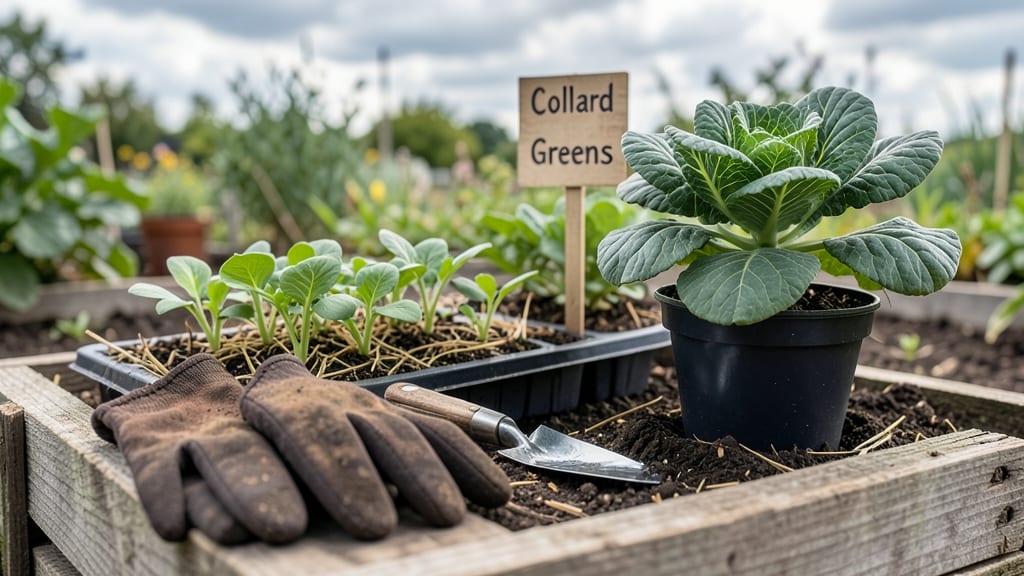
Timing your collard greens planting in Georgia can mean the difference between a thriving harvest and a sad, frost-bitten disappointment.
With Georgia’s mild winters and long growing season, you’ve got two prime windows to plant these 🥬 powerhouses—but get it wrong, and you’ll miss out on tender leaves or risk stunted growth.
Most gardeners in zones 7b-8b swear by late February to early March for spring plantings, while fall is all about August to early September. The key? Avoid planting too close to frost dates—your collards need time to mature before temperatures dip below 20°F.
Georgia’s microclimates mean North vs. South timing can vary, so let’s break down the best months for your region.
Whether you’re sowing seeds or transplanting starts, understanding soil temps and frost-free days is everything. I’ll walk you through the exact windows, plus pro tips to extend your harvest season—because with the right timing, you can enjoy homegrown collards from April through December.
Ready to grow collards that taste like victory? Let’s dive into the month-by-month planting schedule that’ll have your garden thriving year-round.
Georgia’s ideal planting windows for collard greens by month
Collard greens thrive in Georgia’s mild winters and extended growing season, but precise timing ensures you avoid frost damage or heat stress. Since Georgia spans USDA zones 7b-8b, your exact planting window depends on whether you’re in North Georgia (cooler) or South Georgia (warmer).
For best results, aim for two primary windows: late summer/early fall and early spring.
Fall planting is ideal because collard greens sweeten in cold weather and tolerate light frosts. In spring, plant after the last frost date (typically mid-March in most of Georgia). Soil temperature should be at least 50°F for seeds to germinate properly.
If you’re in North Georgia, adjust your timing 1-2 weeks later than South Georgia due to cooler nights.
Here’s a breakdown of the best months to plant collard greens in Georgia, including key considerations for each:
For direct sowing, scatter seeds ½ inch deep and 12 inches apart. If transplanting, choose 4-6 week old seedlings with 4-6 true leaves. Harden them off for 3-5 days before moving to the garden to reduce transplant shock.
In North Georgia, wait until after March 15 to plant, as earlier dates risk frost damage.
Collard greens are heat-tolerant but prefer cooler temperatures for optimal growth. If you plant in late summer, provide afternoon shade during extreme heat (above 90°F) to prevent bolting. Mulch with straw or shredded leaves to retain soil moisture and regulate temperature.
In South Georgia, you can push the envelope by planting as late as early October, but monitor frost forecasts. Use floating row covers to extend the season by 2-4 weeks if frost is imminent.
This is especially useful for late-winter harvests in January-February, where collards thrive in cool but frost-free conditions.
Pro tip: Plant collard greens alongside radishes or lettuce to maximize space. Radishes mature quickly and can be harvested before collards fill the bed. This companion planting strategy also deters pests like cabbage worms, which are less likely to target collards when other greens are nearby.
Always test your soil pH (ideal range: 6.0-6.8) before planting. Georgia’s clay-heavy soils often need organic matter like compost or aged manure to improve drainage and fertility. Amend the soil 4-6 weeks before planting to give microbes time to break down the material.
Remember, collard greens are biennial, meaning they can survive mild winters and produce year-round harvests in Georgia with proper care. With the right timing, you’ll enjoy tender leaves in spring and sweet, flavorful greens in fall—the best of both seasons!
Georgia’s ideal planting windows for collard greens by month
Collard greens thrive in Georgia’s USDA Zones 7b-8b, where mild winters and long frost-free seasons create two prime planting windows. The key is avoiding late frosts (after March 15) and early frosts (before November 15).
For optimal growth, aim for soil temperatures between 60°F-70°F, which aligns with Georgia’s spring and fall transitions.
In North Georgia (higher elevations), frost risks linger longer, so adjust planting dates 1-2 weeks later than South Georgia. For example, Athens gardeners can start in early March, while Savannah gardeners might begin in late February. Always check your local frost date averages—they’re your best guide!
| Month | Planting Window | Soil Temp (°F) | Notes |
|---|---|---|---|
| August | Direct sow or transplant | 65-75°F | Best for fall harvest; avoid late August heatwaves |
| September | Direct sow or transplant | 60-70°F | Ideal for frost-free growth; harvest by November |
| February | Transplant only (South GA) | 55-65°F | Start seeds indoors; harden off before March |
| March | Direct sow or transplant | 60-70°F | Spring planting; harvest by May before summer heat |
For direct sowing, plant seeds ¼ inch deep and 12 inches apart in rows 18 inches apart. Georgia’s loamy soils (common in the Piedmont) drain well, but amend with compost if your soil is heavy clay. Transplants should be 4-6 weeks old and hardened off before moving outdoors.
In South Georgia, you can push the envelope: late September plantings often survive until December harvests with row covers. Meanwhile, North Georgia gardeners should finish fall plantings by mid-October to avoid light frosts. Always monitor 7-day forecasts—a 28°F dip can damage young plants!
Pro tip: Succession plant every 2-3 weeks from August to October for a continuous harvest. This works especially well in container gardens or raised beds, where you can control soil warmth and moisture better. Just remember—collards hate soggy roots, so prioritize well-draining soil.
Timing isn’t just about frost—it’s also about flavor. Fall-planted collards develop sweeter leaves when exposed to cool nights and mild days, while spring plants grow faster but may bolt in April’s heat. Balance is key for that perfect Georgia-grown taste!