
Plants
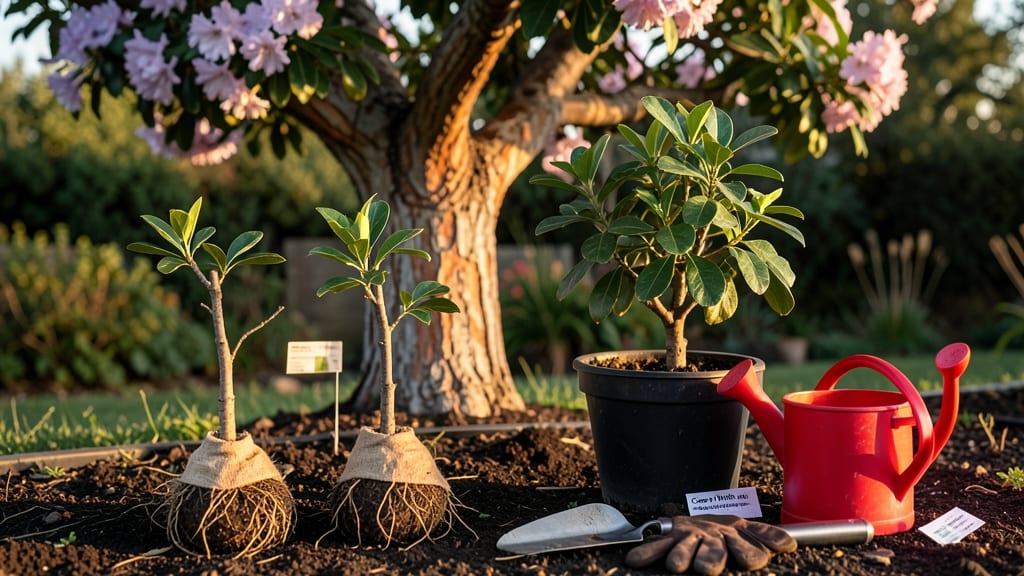
Best planting months for crape myrtle in Texas by hardiness Zone
Texas spans multiple USDA hardiness zones (6a-10b), so the best planting months for crape myrtle vary dramatically. In North Texas (zones 7b-8a), aim for late February to early March after frost risks pass.
Meanwhile, South Texas (zones 9a-10b) gardeners can plant as early as January, thanks to milder winters.
For Central Texas (zones 8a-8b), the ideal window is March 15 to April 15, aligning with soil warming and reduced frost threats. These timing differences prevent transplant shock and ensure roots establish before summer heat arrives.
Fall planting is equally critical—September to October gives roots time to settle before winter. In North Texas, plant by October 15 to avoid early frosts, while South Texas can extend until November 15.
Here’s how Texas zones break down for optimal crape myrtle planting, including temperature thresholds and seasonal risks:
| Zone | Best Spring Planting | Best Fall Planting | Soil Temp Threshold | Seasonal Risk |
|---|---|---|---|---|
| 6a-7a (North Texas) | Late March - Early April | September 15 - October 15 | 55°F+ (13°C+) | Late frosts |
| 7b-8a (Central North) | February 28 - March 31 | September 1 - October 1 | 60°F+ (16°C+) | Heat stress |
| 8b-9a (Central Texas) | March 15 - April 15 | September 15 - October 15 | 65°F+ (18°C+) | Drought |
| 9b-10b (South Texas) | January 15 - February 15 | October 15 - November 15 | 70°F+ (21°C+) | Hurricane season |
In North Texas (zones 6a-7a), the last average frost date is typically March 15, so planting before this risks frost damage to tender roots. Use row covers if you must plant earlier, but avoid it—crape myrtles hate soggy soil from spring rains.
Central Texas (zones 8a-9a) offers the most flexibility, with two ideal windows: March-April and September-October. This aligns with the 60-70°F soil temperatures crape myrtles crave. For South Texas (zones 9b-10b), winter planting is safest—January-February avoids summer’s brutal heat.
Always check your local frost dates (via Texas A&M AgriLife or NOAA) and adjust by 2-3 weeks for container-grown plants, which establish faster. Never plant in extreme heat—100°F+ soil stresses roots and slows growth.
Pro tip: In drought-prone areas, mulch heavily after planting to retain moisture. Use 2-3 inches of organic mulch (like pine straw) to protect roots from Texas summer heat.
Best planting months for crape myrtle in Texas by hardiness Zone
Texas's diverse climate means the best planting time for crape myrtle varies dramatically from North to South Texas. In Zone 8a (Panhandle, North Texas), aim for late March to early April after the last frost, while Zone 9b (Deep South) can plant as early as February.
Fall planting is ideal in September-October across all zones, giving roots time to establish before winter.
Crape myrtles thrive when planted during cooler months—either 6-8 weeks before the first frost in fall or after the last frost in spring.
In Central Texas (Zone 8b), this means September 15-October 15 for fall or March 15-April 15 for spring. South Texas (Zone 9a-10a) can extend spring planting to April-May due to milder winters.
🌸
In East Texas (Zone 8a-8b), where humidity is higher, prioritize fall planting to reduce transplant shock from summer heat. West Texas (Zone 8a) gardeners should plant in early spring to escape late-season droughts. Always check your local frost dates—the Texas A&M AgriLife Extension provides zone-specific forecasts.
For container planting, extend your window by 2-4 weeks in either direction, as pots warm up faster in spring and retain moisture better in fall. Just ensure containers have drainage holes to prevent root rot during Texas's summer downpours.
🌿
Pro tip: Amend your soil with compost or peat moss before planting to improve drainage—a critical factor in Texas's clay-heavy soils. In urban areas, test for alkaline soil (common in Texas) and adjust with sulfur if needed, as crape myrtles prefer slightly acidic soil (pH 5.5-6.5).