
Plants
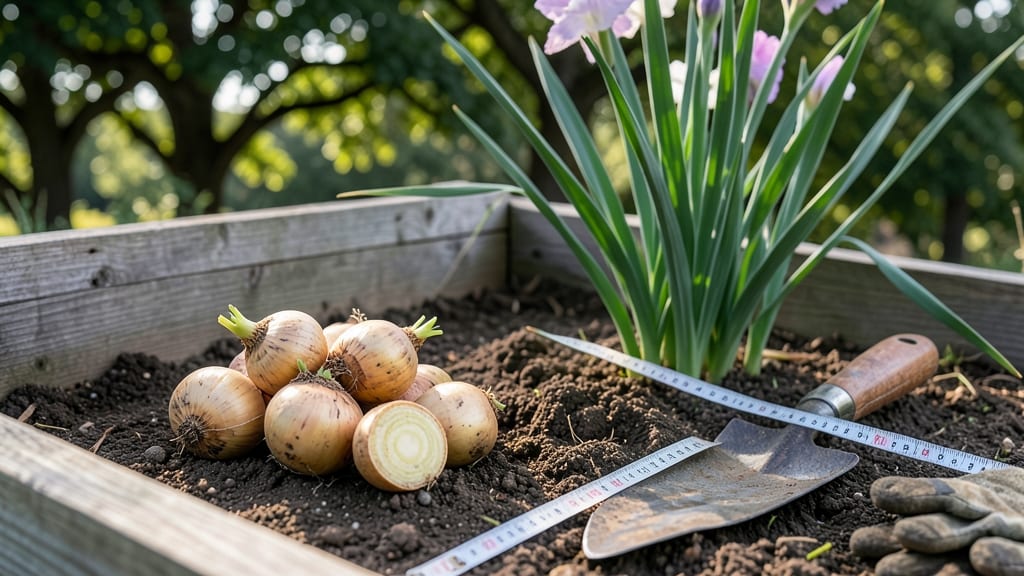
Timing when to plant gladiolus bulbs in Wisconsin just right is the secret to those show-stopping 🌸 blooms that’ll have your neighbors green with envy. Get it wrong, and you’re either battling frost or missing the summer spectacle entirely—neither of which cuts it for a 4b-5b zone like yours.
Here’s the deal: Wisconsin’s short growing season means you can’t afford to wait too long, but planting too early risks those pesky late frosts wiping out your hard work. The sweet spot? Late April to early June, once the soil warms and the last frost has finally said its goodbyes.
I’ll walk you through exactly how to nail this window and keep your Gladiolus thriving all summer long.
What you’ll discover isn’t just a date—it’s a strategy. We’re talking soil prep, bulb depth, and even how to stretch your blooms into fall when Wisconsin’s early frosts start creeping back.
Whether you’re a first-time gardener or a seasoned pro, these tips will help you turn your garden into a 🌸 paradise without the guesswork.
Ready to skip the trial-and-error? Let’s dive into the exact steps to plant your Gladiolus bulbs at the perfect moment—because in Wisconsin, timing isn’t just important, it’s everything.
Wisconsin’s frost-free zones and gladiolus planting calendar
Wisconsin’s USDA zones 3b-5b create distinct planting windows for gladiolus bulbs. In southern Wisconsin (zones 4b-5b), you’ll typically plant 2-3 weeks earlier than in northern Wisconsin (zone 3b). The key is waiting for soil temperatures to stay above 55°F (13°C)—this ensures bulbs sprout without frost damage.
Gladiolus bulbs thrive when planted after your last frost date. In Madison and southern WI, this is usually mid-May, while in Green Bay or northern WI, wait until late May to early June.
Using a soil thermometer helps verify readiness—consistent warmth is critical for strong root development.
Here’s how Wisconsin’s regions break down for gladiolus planting:
For early blooms, opt for early-maturing varieties like ‘Picasso’ or ‘Green Star’ in colder zones. These varieties can handle shorter growing seasons and still produce vibrant flowers by July.
In warmer southern WI, you can even stagger plantings every 2 weeks for extended color from July to September.
Check your local Wisconsin State Climatology Office for yearly frost data. While averages help, unpredictable spring weather means flexibility is key. If frost threatens after planting, cover bulbs with row fabric or straw mulch until temperatures stabilize.
Gladiolus bulbs need well-drained soil to prevent rot—a common issue in Wisconsin’s heavy clay soils. Amend your garden beds with compost or sand before planting to improve drainage. This is especially critical in northern WI, where cooler, wetter conditions increase disease risk.
In southern WI, you can push the envelope by planting early April under row covers for a head start. However, bulbs planted too soon may rot in cold, soggy soil. Use a soil thermometer to confirm temperatures are consistently above 50°F (10°C) before committing to early plantings.
Remember: Gladiolus bulbs are not frost-tolerant. Even a light frost after planting can stunt growth or kill emerging shoots. Wait for consistent daytime highs above 60°F (15°C) before planting—this usually aligns with your last frost date but allows for buffer time.
Pro tip: Plant gladiolus bulbs in raised beds if your garden soil drains poorly. The elevated soil warms faster in spring and dries out quicker after rains—both advantages in Wisconsin’s variable climate. Just ensure the bed has at least 12 inches of depth for root growth.
For maximum blooms, choose full-sun locations (6+ hours daily) with shelter from strong winds. In northern WI, south-facing slopes get extra warmth, while southern WI gardens benefit from afternoon shade in extreme heat.
Test your spot by marking where sunlight hits at solar noon—this helps plan optimal placement.
Step-by-step gladiolus planting guide for Wisconsin’s climate
Wisconsin’s cool springs and heavy clay soil demand extra care when planting gladiolus bulbs. Follow these steps to ensure your summer blooms thrive despite the challenges. Start by testing your soil—gladiolus prefers well-draining soil with a pH of 6.0-7.0.
If your soil is compacted, amend it with compost or sand to improve drainage.
Choose hardy gladiolus varieties suited for Wisconsin’s USDA zones 4b-5b. Look for early-blooming cultivars like ‘Picasso’ or ‘Green Star’ to beat the late spring frosts.
These varieties tolerate cooler temperatures better than tropical types. Planting after the last frost date (typically mid-May) is critical—frost will kill emerging shoots.
🌱 Step-by-Step Planting Guide
- Prepare the soil: Loosen soil to 12 inches deep and mix in 2 inches of compost. Avoid fresh manure—it can burn bulbs.
- Choose a sunny spot: Select a location with 6+ hours of sunlight. Gladiolus won’t bloom without full sun.
- Plant bulbs at the right depth: Dig holes 4-6 inches deep and space bulbs 6 inches apart in rows 12 inches apart.
- Position bulbs correctly: Place bulbs pointy end up with the neck slightly above soil level. This prevents rot.
- Water thoroughly: After planting, water deeply to settle soil and encourage root growth. Keep soil moist but not soggy.
- Mulch lightly: Apply 1-2 inches of straw mulch to retain moisture and suppress weeds. Avoid thick mulch—it can smother bulbs.
- Stake tall varieties: If planting 4-foot+ varieties, insert stakes or supports at planting time to prevent flopping in wind or rain.
After planting, monitor for pests like gladiolus thrips or aphids, which are common in Wisconsin. Use neem oil or insecticidal soap for early treatment. Once shoots emerge (usually in 4-6 weeks), apply a balanced fertilizer (5-10-10) to encourage strong growth.
Feed again when flower buds form to promote vibrant blooms.
In northern Wisconsin (Zone 4b), consider using black plastic mulch to warm the soil faster and extend the growing season. This trick can give you 2-3 extra weeks of blooms. Remove mulch in early fall to prevent soil overheating before winter dormancy.
Always cut back foliage after the first frost—never dig up bulbs in fall, as they need time to harden off.
For container gardening in Wisconsin, use large pots (12+ inches deep) with drainage holes. Plant one bulb per pot and place containers in a south-facing spot for maximum sun exposure.
Move pots indoors before the first frost to preserve bulbs for next year. This method works well for balconies or patios where in-ground planting isn’t possible.
Remember: Patience is key with gladiolus. From planting to blooming, it takes 100-150 days. In Wisconsin’s short season, stagger your planting every 2 weeks in May to enjoy continuous blooms from July through September.
With the right timing and care, your gladiolus will reward you with show-stopping spikes of color—even in Wisconsin’s unpredictable climate! 🌸