
Plants
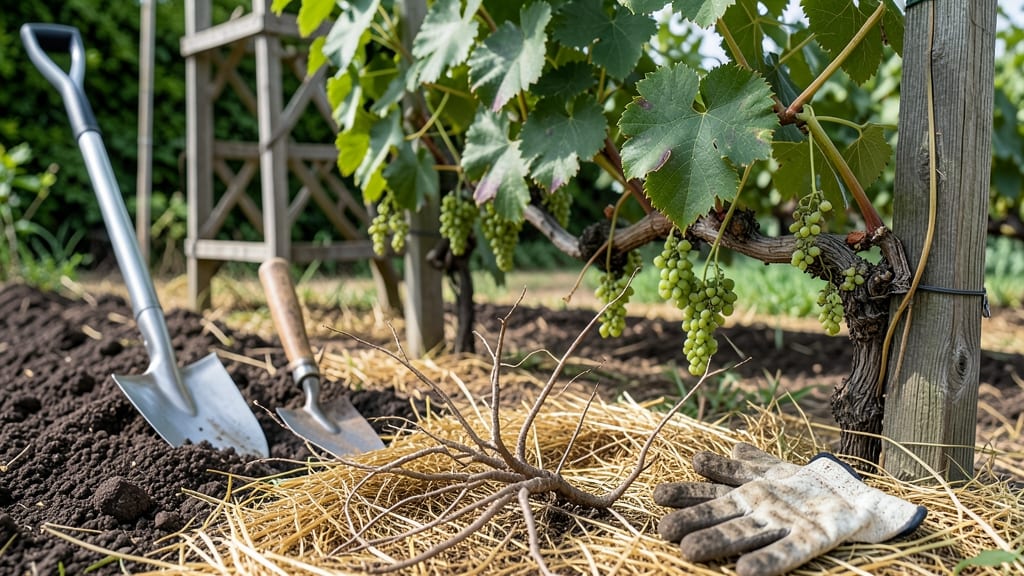
Planting grapes in California at the wrong time can mean the difference between a thriving vineyard and a frost-damaged disappointment. The perfect window depends on your region—coastal fog belts need different timing than the Central Valley’s heat, and inland areas have their own frost risks to navigate.
Most gardeners in USDA zones 9-11 (like coastal areas) should plant 🍇 grapes in late winter to early spring (February-April), when the soil warms but frost threats ease. But inland valleys (zones 8-9) often get away with fall planting (September-October) to let vines establish roots before winter chill sets in.
Why does timing matter so much? Because grapes need 120-180 days to mature, and planting too early risks frost damage while late planting can leave vines struggling to harden off before winter.
I’ll break down the exact months for your region—plus pro tips to adjust for containers, organic methods, and even fire-prone zones.
Ready to grow grapes that produce juicy fruit or premium wine? Let’s dive into the science-backed schedule that’ll set your vines up for success—no guesswork required.
Best grapes planting months in California by region (coastal vs. inland)
California’s diverse climate means your grapes planting window depends entirely on where you live. Coastal areas like Sonoma or Santa Barbara have milder winters with USDA zones 9-11, while inland valleys like the Central Valley (Zone 8-9) face harder frosts.
Even within regions, microclimates create 2-4 week differences in ideal planting dates.
For most California gardeners, the ideal planting months are February through April, when soil warms but frost risks recede. However, inland areas can plant as late as May in some cases, while coastal zones may extend into early June for heat-sensitive varieties.
Let’s break down the exact timing for California’s five key grape-growing regions.
The North Coast has the narrowest window because coastal fog can linger until mid-April, delaying soil warming. Meanwhile, the Central Valley often gets away with planting as late as May for heat-tolerant varieties like Cabernet Sauvignon, but you’ll need to monitor soil moisture closely during establishment.
For container growing, adjust your timeline by 2-3 weeks earlier since pots heat up faster. If you’re planting bare-root vines (the most common method), do it during the dormant season—either late winter or early fall in cooler inland areas.
This gives roots time to establish before active growth begins.
Pro tip: Check your local USDA frost map and add 2-4 weeks to the last frost date for your region. This ensures your grapes have time to develop a strong root system before winter chill sets in.
In fire-prone areas, avoid planting in September-October to prevent smoke exposure during critical growth phases.
Regardless of region, always plant grapes in well-draining soil with full sun exposure. The right timing combined with proper site selection will give your vines the best chance to thrive—whether you’re growing wine grapes or juicy table varieties.
Need to plant outside these windows? Stay tuned for my next section on adjusting planting times for organic vs. conventional grapes—plus pro tips to maximize vine survival in less-than-ideal conditions.
How to adjust planting time for organic vs. conventional grapes (soil & climate factors)
Planting grapes in California requires adjustments based on whether you’re growing organic or conventional varieties. Organic grapes demand soil amendments like compost and cover crops, which can shift your planting timeline by 2-4 weeks to ensure proper nutrient availability.
Meanwhile, conventional growers may focus on synthetic fertilizers, allowing for more flexibility in timing.
Soil type plays a huge role too. Sandy soils drain quickly and may need earlier planting to capture spring moisture, while clay soils retain water longer, giving you a slightly later window.
In fire-prone zones like Southern California, late-season planting risks smoke exposure, so adjust your schedule to avoid summer smoke taint in your grapes.
Organic growers must also account for cover crop decomposition time. Planting in late February allows cover crops like clover or vetch to break down by spring, enriching the soil naturally. Conventional growers, however, can plant bare-root vines in March without worrying about organic matter timing.
Organic vs. Conventional Planting: Pros & Cons
- Pros: Healthier soil, no synthetic chemicals
- Cons: Requires earlier prep, slower nutrient release
- Pros: Faster nutrient availability, flexible timing
- Cons: Soil degradation risk, chemical residues
For organic grapes, aim to plant 4-6 weeks before conventional schedules to allow time for soil amendments. For example, if conventional growers plant in March, organic gardeners should start in late February to ensure compost has fully integrated.
In cooler inland areas like the Sierra Foothills, organic planting can extend into early April due to slower soil warming.
Climate extremes also demand adjustments. In heatwave-prone regions like the Central Valley, conventional growers might opt for shade cloth to delay planting until late April, while organic growers rely on mulching and drip irrigation to protect young vines.
Always check local USDA frost maps to avoid planting too late in frost-prone zones.
Regardless of method, prioritize well-draining soil and full sun exposure. Organic or conventional, your grapes will thrive with the right timing and care—just adapt your schedule to your growing approach.