
Plants
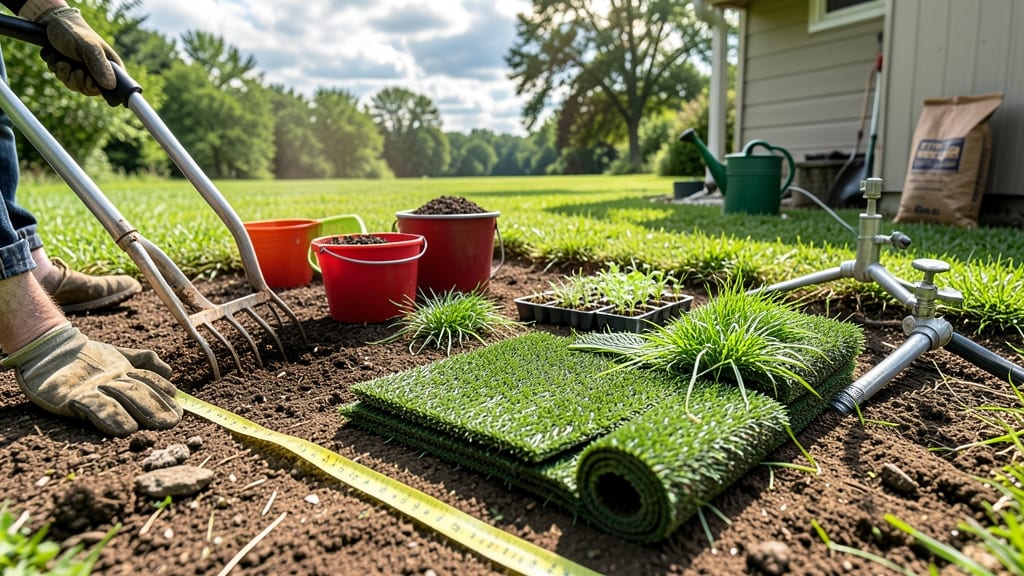
Houston’s ideal grass planting windows: month-by-month breakdown
Houston’s USDA Zone 9a climate creates unique challenges for grass planting—too early, and your seedlings face scorching summer heat; too late, and winter frosts can stunt growth. The ideal planting windows are late summer/fall and early spring, when temperatures and humidity align perfectly for germination.
For cool-season grasses (like Tall Fescue), aim for September to November, when soil temps hover between 60-75°F. Warm-season grasses (like Bermuda or St. Augustine) thrive when planted in March or early April, just as Houston’s heat ramps up for the summer.
Houston’s urban heat islands can push microclimates 5-10°F warmer than suburban areas, so adjust timing if you’re in a densely built-up neighborhood. Always check soil temperature with a thermometer—60°F+ is the sweet spot for most grass seeds.
| Month | Soil Temp (°F) | Grass Type | Germination Rate | Survival Odds |
|---|---|---|---|---|
| August | 80-90°F | Warm-season (Bermuda, Zoysia) | Slow (heat stress) | Low (50%) |
| September | 70-80°F | Cool/Warm-season | Fast (7-14 days) | High (85%) |
| October | 65-75°F | Cool-season (Tall Fescue) | Very Fast (5-10 days) | Very High (90%) |
| March | 60-70°F | Warm-season (St. Augustine) | Moderate (10-14 days) | High (80%) |
| April | 75-85°F | Warm-season (all types) | Fast (7-10 days) | Moderate (70%) |
*Survival odds based on Houston’s average rainfall and humidity (70-80%)
Houston’s humidity levels (often exceeding 70% in summer) can create a fungal risk if you plant during peak heat. Always water deeply in the morning to reduce disease pressure, and avoid planting when forecasted rainfall exceeds 2 inches in a week.
If you miss the ideal windows, late February or early November can work for hardy varieties, but expect slower germination and higher maintenance. For example, Tall Fescue planted in November may need extra mulch to protect against late-winter frosts.
Urban Houstonians should also account for construction delays or soil compaction from heavy foot traffic. Test soil pH (6.0-7.0 ideal) and drainage before planting—Houston’s clay-heavy soil can suffocate roots if not amended with compost or sand.
Pro tip: Use a soil thermometer to confirm temps—below 60°F delays germination, while above 85°F can kill seedlings. Shade cloth (30-50%) helps in summer plantings to reduce heat stress.
Remember, Houston’s microclimates mean your neighbor’s success might not mirror yours. Urban areas stay warmer longer, while suburban yards may cool faster. Adjust your planting timeline by 1-2 weeks based on your specific location’s heat patterns.
Finally, avoid planting during Houston’s hurricane season (June-November). High winds and flooding can uproot young grass, so wait until after September if storms are forecasted.
Fall vs. spring planting: which offers better grass Survival in Houston?
Houston’s humid subtropical climate creates a unique challenge for grass planting—fall and spring both offer opportunities, but each comes with tradeoffs. Fall planting (September–November) is often the gold standard for cool-season grasses like Tall Fescue or Ryegrass, while spring planting (February–March) works better for warm-season varieties like Bermuda or St. Augustine.
Let’s break down which window gives your lawn the best shot at thriving in Houston’s heat and humidity.
Fall planting is my top recommendation for Houston homeowners because it aligns perfectly with the city’s cooler temperatures and higher rainfall after summer’s peak. Grass seeds germinate more easily when soil temps hover between 60–75°F, and September–October often delivers those ideal conditions. Plus, young grass gets a head start on establishing roots before winter dormancy—meaning less stress from Houston’s summer heat the following year.
But spring planting isn’t a lost cause. If you’re working with warm-season grasses, March can be a great time to plant, especially if you’re replacing an old lawn. The key is speed—warm-season grasses like Zoysia or Buffalo grass need to establish quickly before Houston’s April heat sets in.
However, spring planting requires more frequent watering to combat evaporation and fungal risks from morning dew.
Here’s the critical difference: Fall-planted grass enters winter with a stronger root system, making it more drought-resistant when summer rolls around. Spring-planted grass, on the other hand, faces higher competition from weeds and more water stress as temperatures climb.
That said, spring planting can work if you’re oversowing (adding grass to an existing lawn) rather than starting from scratch.
Fall Planting (September–November)
✅ Pros
- Cooler soil temps (60–75°F) for better germination
- Less weed competition in early fall
- Established roots before winter dormancy
- Lower water needs after initial establishment
❌ Cons
- Limited time window before first frost (Dec 15)
- Hurricane season risk in late fall
- Slower spring green-up if planted too late
Spring Planting (February–March)
✅ Pros
- Perfect for warm-season grasses (Bermuda, Zoysia)
- Longer daylight hours for faster growth
- Easier to overseed existing lawns
❌ Cons
- High evaporation rates require frequent watering
- Weed competition spikes in spring
- Heat stress risk if planted too late
Houston’s urban heat islands add another layer of complexity. Areas near highways or dense buildings can be 5–10°F hotter than suburban neighborhoods, which means spring planting in these zones may require extra shade cloth or earlier watering to prevent seed desiccation. If you’re in a hotter microclimate, fall planting becomes even more critical to avoid seedling burnout during Houston’s summer swelter.
My advice? Prioritize fall planting for cool-season grasses unless you’re specifically working with warm-season varieties. If you miss the fall window, March is your second-best shot—just be prepared to water deeply and frequently to give your new grass a fighting chance against Houston’s summer droughts.
And remember: soil prep (aeration, compost amendment) makes or breaks your success, regardless of the season.
Ready to pick your planting window? Fall wins for resilience, but spring can work if you’re strategic. Just don’t wait until April—your grass will thank you! 🌱