
Companion Plants
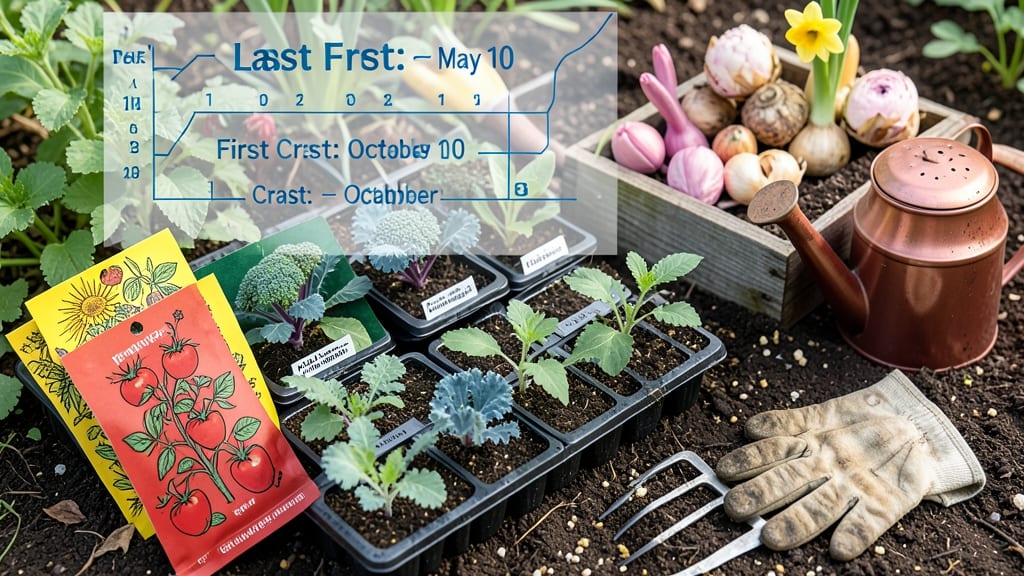
Pennsylvania planting calendar by hardiness zones (5a-7a)
Pennsylvania spans USDA Zones 5a-7a, meaning your planting schedule depends heavily on whether you're in the cooler mountain regions (Zone 5a-6a) or warmer southeastern valleys (Zone 6b-7a).
For example, Philadelphia (Zone 7a) enjoys a 2-3 week longer growing season than Erie (Zone 5b). Understanding these zones helps you avoid frost damage and maximize yields.
Most of Pennsylvania experiences its last spring frost between April 15-25, while the first fall frost arrives October 10-20. These dates shift 1-2 weeks earlier in northern zones and 1-2 weeks later in southern zones.
For instance, Pittsburgh's last frost often hits April 20, while Harrisburg's can be as late as May 1.
To plan effectively, divide your garden into cool-season crops (March-May) and warm-season crops (May-July). Cool-season plants like spinach and peas thrive in 40-60°F soil, while warm-season crops such as tomatoes and peppers need 60-70°F soil.
Testing soil temperature with a soil thermometer ensures you plant at the right time.
Here’s a quick reference for your hardiness zone and when to start planting:
For perennials and bulbs, timing matters just as much. Plant spring-blooming bulbs (daffodils, tulips) in fall (October-November) so they establish roots before winter. Summer-blooming perennials (coneflowers, black-eyed Susans) can go in early spring (March-April) or fall (September-October) for best results.
If you’re in Zone 5a-6a, consider using row covers or cold frames to extend your planting window. For example, you can plant spinach or kale as early as March 1 under protection, giving you a 30-day head start on the season.
In Zone 7a, focus on succession planting to keep your garden productive until the first frost.
Always check your local Almanac’s frost predictions or use a frost-free date calculator for your exact location. Even within a zone, microclimates—like urban heat islands or sheltered valleys—can shift frost dates by 1-2 weeks. For example, Philadelphia’s Center City may be 2°F warmer than nearby suburbs, delaying frost.
Pro tip: Mark your garden calendar with 3 key dates—last frost, first frost, and your average 70°F soil warming date—to avoid common mistakes like planting tomatoes too early or lettuce too late in the season.
For container gardening, adjust your timeline slightly. Potted plants warm up faster than in-ground soil, so you can plant warm-season crops 1-2 weeks earlier if using black plastic mulch or heat mats. Conversely, cool-season crops may need 1-2 weeks later to establish roots in containers.
Remember, soil preparation is just as critical as timing. Amend your soil with compost or aged manure in fall or early spring to ensure it’s ready for planting. This gives microbes time to break down organic matter, providing nutrients when your plants need them most.
Best months to plant specific vegetables, flowers, and herbs in PA
Pennsylvania’s planting calendar isn’t one-size-fits-all—cool-season crops like lettuce and peas thrive in early spring, while warm-season favorites such as tomatoes and peppers need to wait until after the last frost.
Understanding these distinctions saves you from wasted seeds and stunted growth. Let’s break down the exact months for your top plants based on Pennsylvania’s USDA Zones 5b-7a.
For cool-season vegetables, start seeds indoors in February or sow directly in March-April as soon as the soil reaches 40°F. Examples include spinach, kale, and broccoli, which can handle light frosts.
Meanwhile, warm-season crops like peppers and eggplants need to wait until May-June when soil temperatures hit 60°F+.
Don’t forget about herbs and flowers—many thrive in Pennsylvania’s climate! Basil and cilantro love warm weather, so plant them in May-June, while rosemary and thyme are hardy perennials that can go in March-April.
For flowers, marigolds and zinnias are great for late summer blooms, while pansies and violas handle cooler spring and fall temperatures.
Pro tip: Use succession planting for crops like lettuce and beans to maximize your harvest. For example, sow a new batch of lettuce every 2 weeks from March through August. This ensures a continuous supply without overwhelming your garden at once.
Adjust your planting timeline based on your specific region. Northern PA (Zone 5b) has a shorter growing season than Philadelphia (Zone 7a), so plan accordingly. For instance, tomatoes in Erie may need to start indoors earlier than those in Pittsburgh.
Always check your local last frost date—typically mid-April in most areas—but be ready to cover young plants if late frosts hit.