
Plants
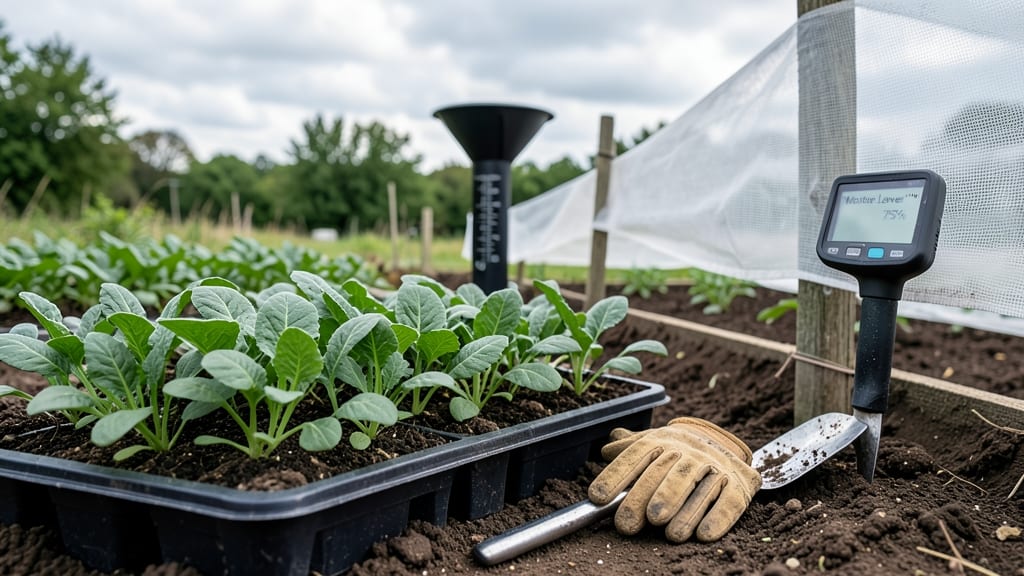
Planting mustard greens 🥬 in Florida at the wrong time means sacrificing that crisp, peppery flavor you love—or worse, watching your plants bolt into bitter flowers before you even harvest.
The key to fast, tender greens lies in understanding Florida’s three distinct microclimates, where timing can shift from year-round planting in the Keys to strategic fall/winter windows in the Panhandle.
If you’ve ever struggled with mustard greens that turn tough or bolt prematurely, you’re not alone. Florida’s frost-free climate might seem ideal, but summer’s relentless heat and humidity actually stress these cool-season crops.
The solution? Plant when temperatures dip below 85°F—a simple rule that unlocks faster growth and sweeter harvests in just 4-6 weeks.
I’ll break down the exact planting windows for your region—whether you’re in the Panhandle’s cooler 8a zone or the tropical 11 of Miami—plus pro tips to beat the heat.
From soil prep to succession planting, these strategies ensure your mustard greens stay crisp and productive year-round, even in Florida’s tricky climate.
Ready to grow mustard greens that taste fresh and harvest quickly? Let’s dive into the fastest way to turn your Florida garden into a peppery green machine—no guesswork required.
Best planting windows for mustard greens in Florida’s 3 microclimates
Florida’s climate varies dramatically from the Panhandle’s cooler winters to the Keys’ tropical heat, so planting mustard greens at the right time ensures sweet, tender leaves. Unlike northern states, Florida has no frost risk, but temperature swings still dictate success.
Let’s break down the ideal planting windows for each region to maximize your harvest.
In North Florida (USDA Zones 8a–8b), like Tallahassee or Gainesville, cooler temperatures last longer, giving you a 6–8 month growing window. Here, you can plant mustard greens year-round, but the best months are September through April when nights stay mild.
South Florida (Zones 10a–11) has year-round warmth, but mustard greens bolt (go to seed) in summer heat, so focus on winter planting (November–March).
Central Florida (Zones 9a–9b), including Orlando and Tampa, offers a compromise: you can grow mustard greens almost year-round, but avoid peak summer (June–July) when temperatures exceed 90°F. Instead, plant in early spring (February–April) or fall (August–October) for the best results.
🌱 Pro Tip: Use shade cloth (30–50%) in summer to protect plants from bolting, even in cooler regions.
🌡️ Florida Mustard Greens Planting Guide by Region
| Region | Best Planting Months | Avoid Planting | Key Tips |
|---|---|---|---|
| North Florida (Zones 8a–8b) | September–April | May–August (heat stress) | Use row covers in winter for frost protection (rare but possible). |
| Central Florida (Zones 9a–9b) | February–April, August–October | June–July (bolting risk) | Plant in partial shade during summer months. |
| South Florida (Zones 10a–11) | November–March | April–October (extreme heat) | Use 50% shade cloth to prevent bolting. |
💡 Note: All regions benefit from succession planting every 2–3 weeks for continuous harvests.
For North Florida gardeners, start seeds indoors in late summer (August) for a fall harvest, or direct-sow in September for a winter crop. The coolest months (December–February) are ideal for slow, sweet growth, but avoid planting after March 15 when temperatures rise.
In Central Florida, take advantage of the spring and fall transitions. Plant seeds in February for a spring harvest, then again in August for a fall-winter crop. Use drip irrigation to keep soil consistently moist, as Florida’s sandy soils drain quickly.
South Florida’s winter planting window (November–March) is short but sweet. Direct-sow seeds in well-draining soil with compost added to retain moisture. If you miss this window, try container growing with shade cloth to extend the season into early April.
Regardless of region, always test your soil pH (6.0–7.0) before planting. Mustard greens hate acidic soil, which causes chlorosis (yellowing leaves). Amend with lime if needed and mulch with straw or pine needles to keep roots cool.
🌿 Remember: Mustard greens grow fastest in 50–70°F temperatures. If your summer heat exceeds 85°F, switch to heat-tolerant varieties like ‘Southern Giant Curled’ or ‘Tendergreen’ for better success.
Best planting windows for mustard greens in Florida’s 3 microclimates
Florida’s three distinct microclimates—North, Central, and South—create wildly different conditions for growing mustard greens. While the Panhandle (North) enjoys cooler winters, the Keys (South) rarely drops below 70°F. Understanding these zones ensures you plant at the perfect time for fast, flavorful harvests.
In North Florida (Zones 8a-8b), where frost can still occur in January, aim to plant mustard greens in September for a fall harvest before cold snaps.
Central Florida (Zones 9a-9b) allows year-round planting with adjustments for summer heat, while South Florida (Zones 10a-11) thrives with winter plantings from October to March.
| Zone | Best Planting Window | Avoid Planting | Key Tip |
|---|---|---|---|
| North Florida (8a-8b) | September–October, February–March | June–August (extreme heat) | Use row covers in winter |
| Central Florida (9a-9b) | Year-round (avoid peak summer) | July (bolting risk) | Plant shade cloth in summer |
| South Florida (10a-11) | October–March (winter only) | April–September (too hot) | Use drip irrigation for moisture |
For North Florida gardeners, focus on fall plantings (September–October) to avoid winter chill. Central Florida’s mild winters allow year-round success, but summer plantings require shade to prevent bolting. In South Florida, winter is the only game—plant in October for a January–March harvest before heat sets in.
Pro tip: Succession plant every 2 weeks in fall/winter to ensure a continuous harvest. Mustard greens grow quickly—4–6 weeks to maturity—so staggered plantings keep your kitchen stocked. Start with ‘Southern Giant Curled’ for heat tolerance or ‘Tendergreen’ for milder climates.
Always check your local frost dates (even in Florida!) and adjust planting times by 2–4 weeks if your area experiences unexpected cold snaps. A simple soil thermometer ensures seeds sprout at ideal temps (50–70°F) for consistent germination.
With the right timing, your mustard greens will thrive year-round in Florida—just tweak your approach based on your microclimate. Happy planting! 🌱