
Plants
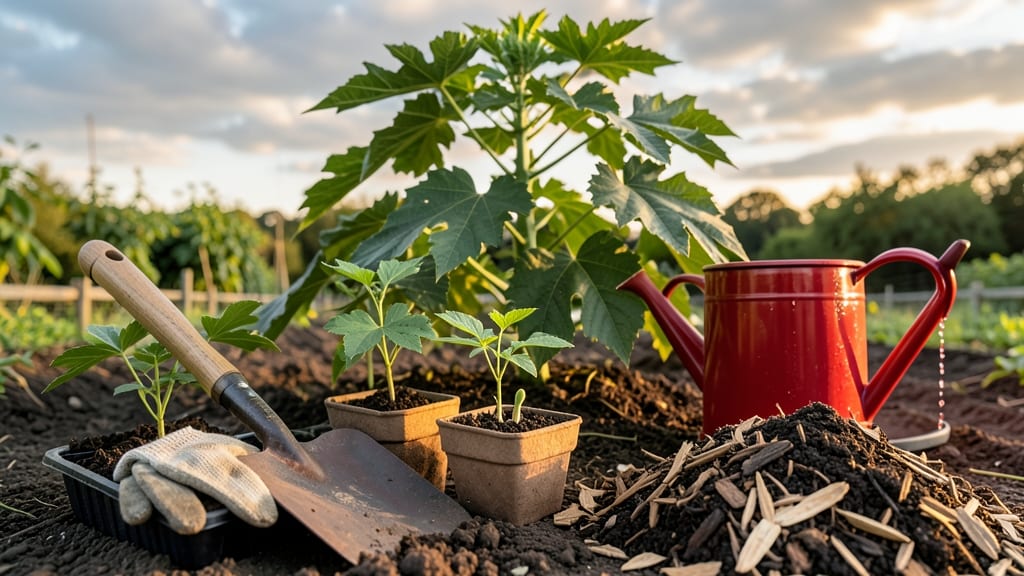
Timing your okra planting in California can mean the difference between a bumper crop of tender pods and a sad, wilted garden experiment. Since California’s climate varies wildly from coastal chill to desert heat, getting those seeds in the ground at the right moment is the key to success.
With 🌱 okra thriving in USDA zones 9-11—whether you're in frost-free San Diego or the Central Valley’s warmer pockets—you’ll want to avoid the pitfalls of planting too early (soft, spindly plants) or too late (missed harvests).
The secret lies in waiting for soil temperatures to hit at least 60°F and keeping an eye on those unpredictable coastal breezes that can delay warmth.
In this guide, I’ll break down the exact planting windows for your specific region, whether you’re direct-sowing seeds or starting them indoors. You’ll learn how to stretch your growing season, pick the right varieties for your microclimate, and even troubleshoot common California-specific challenges like heat stress or pest pressure.
Ready to grow bold, productive okra plants that reward you with harvests from June through October? Let’s get those seeds in the ground at the perfect moment—because in California, timing isn’t just important, it’s everything.
California okra planting calendar by USDA zones (when to start seeds indoors vs. direct-sow)
Okra thrives in California’s heat zones 9-11, but timing varies dramatically between coastal areas like San Francisco (Zone 9-10) and desert regions like Palm Springs (Zone 10-11).
Unlike frost-sensitive crops, okra never needs indoor starting—it’s a direct-sow crop that bolts if chilled. Your planting window hinges on soil temperature, not frost dates.
For coastal California (Zones 9-10), where mild winters and cool summers prevail, aim for March through early June plantings.
Inland areas like the Central Valley (Zone 9) or desert regions (Zone 10-11) can start as late as April to July, but avoid extreme heat (above 95°F) that stresses seedlings.
Here’s your zone-specific okra planting calendar, including direct-sowing dates and harvest windows for California’s most popular varieties like 'Clemson Spineless' and 'Emerald Beauty':
| USDA Zone | Region Examples | Direct-Sow Window | Soil Temp Requirement | Harvest Window | Notes |
|---|---|---|---|---|---|
| 9 (Coastal) | San Francisco, Santa Barbara | March 15–April 30 | 60°F+ (test with soil thermometer) | June–October | Cool summers; mulch to retain heat. |
| 9 (Inland) | Sacramento, Fresno | April 15–June 1 | 65°F+ (warmer soil speeds germination) | July–November | Hotter; water deeply in dry spells. |
| 10 (Coastal) | Los Angeles, San Diego | February 15–May 15 | 55°F+ (milder winters allow earlier starts) | April–November | Extended season; succession plant every 2 weeks. |
| 10-11 (Desert) | Palm Springs, Coachella | April 1–June 15 | 70°F+ (avoid planting in peak 100°F+ heat) | June–December | Drought-tolerant; use shade cloth for seedlings. |
Okra’s 60-80 day harvest window means succession planting is key. In Zone 10-11, you can even plant every 2 weeks from April to July for a continuous harvest through fall.
For cooler coastal zones (Zone 9), focus on one main planting in March-April to avoid bolting from heat stress.
Direct-sow seeds ½ inch deep, spacing them 12–18 inches apart in rows 3 feet apart. Okra hates transplanting, so skip indoor starts—seedlings bolt easily if chilled. Use black plastic mulch in desert zones to warm soil faster and retain moisture.
Monitor pod development closely: harvest when pods are 2–3 inches long (they harden quickly after). Larger pods become woody and fibrous, ruining texture. In hot inland zones, shade cloth can protect young plants from sun scorch until they establish roots.
🌿 Key Takeaway: California’s diverse microclimates mean no one-size-fits-all okra planting date. Coastal gardeners plant earlier, while desert growers wait for soil to heat up—but never delay past June in hot zones or you’ll miss the harvest window.
5 Critical factors that determine your okra planting success in California (beyond the calendar)
California’s diverse climate means soil temperature isn’t the only factor for okra success. While coastal areas like San Francisco (Zone 9-10) can plant as early as mid-March, inland zones like Bakersfield (Zone 9) need to wait until late April to avoid heat stress.
The key is matching your timeline to local microclimates—even neighboring gardens can have 2-week differences in readiness.
Your okra’s water needs also shift dramatically. Coastal gardens thrive on every 2-3 days, while desert areas like Palm Springs (Zone 10-11) may need daily watering during peak summer.
Mulching with straw or wood chips helps retain moisture and keeps roots cool—critical for preventing bolting (premature flowering) in hot inland zones.
🌱
- 🌡️ Soil Temperature: Wait until soil reaches 60°F+ (use a soil thermometer). Coastal areas hit this by March; inland zones lag until May.
- ☀️ Microclimates: Coastal fog delays planting by 2-3 weeks vs. inland heat. Test with a seedling trial—if seedlings wilt by noon, wait 10 days.
- 💧 Water Availability: Drip irrigation beats overhead watering to prevent powdery mildew. Desert zones need morning watering to reduce evaporation.
- 🐛 Pest Pressure: Aphids and flea beetles thrive in warm coastal springs. Use neem oil sprays if you see chewed leaves within 2 weeks of planting.
- 🌬️ Wind Exposure: Okra’s tall stems (6-10 ft) need staking or trellising in windy coastal areas (e.g., Santa Barbara). Bury stakes at planting!
Don’t overlook pest pressure—California’s mild winters mean pests like squash bugs and okra pod borers are year-round threats. Start with resistant varieties like ‘Clemson Spineless’ and monitor for yellowing leaves (early sign of infestation).
Rotate planting spots yearly to break pest cycles, especially in Central Valley gardens where okra is a staple.
Another game-changer? Succession planting. Okra’s 60-80 day harvest window means you can stagger plantings every 2 weeks from April to July for a continuous harvest.
In Southern California (Zone 10-11), this extends until mid-August—just avoid planting after July 15 if temps exceed 95°F, as flowers drop off.
Finally, soil pH matters more than most gardeners realize. Okra prefers slightly acidic to neutral (6.0-7.0 pH). Test your soil—California’s alkaline soils (common in coastal areas) can stunt growth.
Amend with sulfur or peat moss if your pH is above 7.5, and mix in compost for organic matter to improve drainage in heavy clay soils.
By aligning these factors with your USDA Zone, you’ll turn California’s climate challenges into okra-growing advantages. Start with soil prep in February, then adjust your timeline based on local conditions—not just the calendar.