
Plants
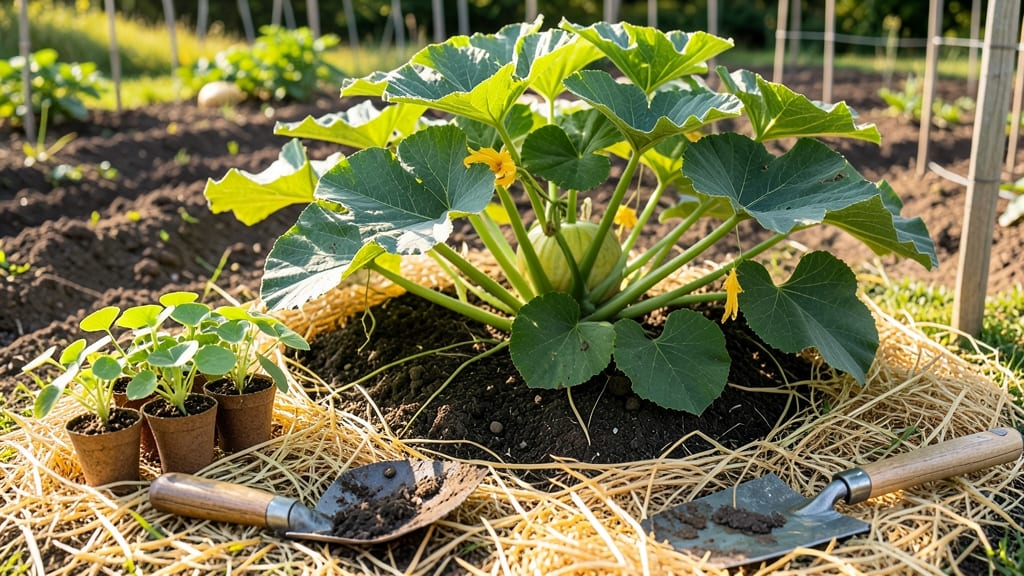
Washington State pumpkin planting timeline by USDA Zone (with frost-free dates)
Washington’s USDA zones 4b-9a create dramatic differences in pumpkin planting success. In Zone 6b (e.g., Spokane), you’ve got just 120 frost-free days, while Zone 9a (e.g., Yakima Valley) enjoys 240+ days.
This means your planting window shifts by 6+ weeks depending on location—getting it wrong can mean pumpkins that never mature or rot before harvest.
For all zones, soil temperature is your true north. Pumpkin seeds need 60-90°F soil to germinate reliably. Use a soil thermometer—planting too early in cold soil (below 60°F) leads to rotten seeds and mold.
In Western Washington’s cooler zones (7b-9a), aim for mid-April to early May when daytime highs hit 70°F+ consistently.
Here’s your zone-by-zone planting guide, including critical deadlines for direct sowing vs. transplanting seedlings (which gives you a 2-3 week head start):
| USDA Zone | Last Frost Date | Direct Sow Window | Transplant Window | Soil Temp Requirement | Best Varieties |
|---|---|---|---|---|---|
| 4b-5a (Eastern WA: Pullman, Colville) | May 1-15 | Late May - Early June | Early May (start indoors) | 70°F+ (use black plastic mulch) | 'Jack Be Little', 'Waltham Butternut' |
| 6b-7a (Eastern WA: Wenatchee, Yakima) | April 15 - May 1 | Mid-April - Late May | Mid-April (hardy seedlings) | 65°F+ (warmer soil = faster growth) | 'Cinderella', 'Howden' |
| 7b-8a (Western WA: Seattle, Olympia) | March 15 - April 15 | Early April - Early June | Late March (use row covers) | 60°F+ (cooler but reliable) | 'Sugar Pie', 'New England Pie' |
| 8b-9a (Eastern WA: Moses Lake, Tri-Cities) | March 1 - April 1 | Mid-March - Late June | February (early starts) | 75°F+ (hotter = faster vines) | 'Giant Dill', 'Atlantic Giant' |
If you’re transplanting seedlings (bought or home-started), harden them off for 7-10 days before moving outdoors. Seedlings need 4-5 true leaves before transplanting to avoid shock.
In Zone 6b, start seedlings indoors by March 1 under grow lights—you’ll need every warm day to mature pumpkins before the September frost.
For direct sowing, plant seeds 1 inch deep in hills spaced 4-6 feet apart. Use 3-4 seeds per hill and thin to the strongest plant after germination. In Western WA’s cooler zones, cover seeds with black plastic mulch to warm the soil 5-10°F faster than bare earth.
Remember: Daylength matters. Pumpkins need 10+
How to adjust planting time for Washington’s microclimates (rain shadow vs. coastal regions)
Washington State’s microclimates create dramatic differences in pumpkin growing conditions. The Puget Sound region (Zone 7b-9a) stays cooler and wetter, while Eastern Washington (Zone 4b-7a) bakes under the rain shadow effect.
These differences mean your planting timeline should shift based on where you live. For example, Spokane can plant pumpkins 2-3 weeks earlier than Seattle due to warmer soil temperatures.
In coastal areas, like Olympia or Bellingham, fog and cooler temperatures often delay soil warming.
Wait until mid-May to plant seeds directly, or start seedlings indoors by late March for a head start. Row covers can extend your season by 3-4 weeks in these areas, protecting young plants from late frosts and chilly nights.
Conversely, inland areas like the Yakima Valley or Walla Walla can plant pumpkins as early as late April because soil warms quickly. These regions benefit from heat-tolerant varieties like 'Mammoth Gold' or 'Cocozelle', which thrive in 90°F+ temperatures.
If you’re in a high-desert area, prioritize mulching to retain moisture and prevent soil temperature spikes that can stress seedlings.
Quick Fixes for Washington Microclimates
- 🌧️ Coastal Areas: Use black plastic mulch to warm soil faster by 10-15°F.
- ☀️ Inland Areas: Plant heat-tolerant varieties like 'Jack Be Little' to avoid blossom drop in heat.
- 🌱 High Elevations: Start seeds indoors 6-8 weeks early to compensate for shorter growing seasons.
- 🌿 Urban Gardens: Choose bush varieties (e.g., 'Sugar Pie') to save space in small plots.
- ❄️ Frost-Prone Zones: Use row covers until soil reaches 60°F to protect seedlings.
Another critical factor is daylight hours. Western Washington’s longer summer days (up to 16 hours in June) speed up pumpkin growth, while Eastern Washington’s shorter daylight in high elevations can slow development.
For Zone 6 areas, like Moses Lake, focus on fast-maturing varieties (e.g., 'Small Sugar') that can harvest in 75-80 days before frost.
If you’re in a transition zone, like Snoqualmie Pass or Leavenworth, monitor soil temperatures closely. Use a soil thermometer to confirm 60°F+ before planting—cold soil can cause seed rot or stunted growth.
In these areas, extended-season techniques, like hoop houses or cold frames, can push your harvest window by 4-6 weeks.
Finally, water management varies by microclimate. Coastal regions may struggle with overwatering risks due to frequent rain, while inland areas face drought stress. In Eastern Washington, drip irrigation is a game-changer, delivering water directly to roots while reducing evaporation.
Meanwhile, Western Washington gardeners should prioritize well-draining soil to prevent fungal diseases like powdery mildew.