
Plants
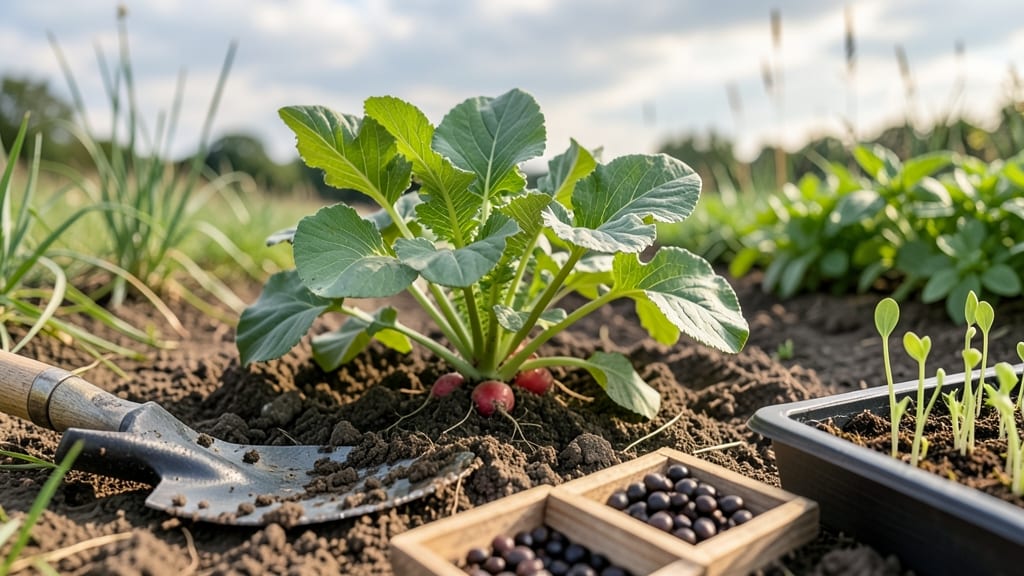
If you’ve ever pulled a bitter, woody 🥕 radish from your Iowa garden, you know timing is everything—especially when it comes to planting these speedy veggies. The right window between Iowa’s unpredictable spring frosts and scorching summer heat can mean the difference between crisp, sweet harvests and disappointing failures.
Radishes are Iowa’s secret weapon for fast-growing gardens, but getting them in the ground too early or too late turns your 5a-6b zone into a high-stakes gamble. I’ve tested the best planting strategies over the years, and what works for March-April success won’t cut it for fall harvests.
Let me show you exactly when to plant for maximum flavor and yield.
From avoiding late frosts to mastering succession planting, we’ll cover the exact dates that work in Iowa’s climate—plus how to adapt if Mother Nature throws curveballs.
Whether you’re a backyard gardener or a container grower, these tips will help you beat the clock and enjoy fresh radishes in just 20-30 days.
Ready to turn your garden into a radish powerhouse? Let’s dive into the frost-free timeline that’ll have you harvesting before the heat sets in.
Iowa radish planting calendar: exact dates for spring and fall success
Iowa’s USDA zones 5a-5b mean radishes can grow in two prime windows: early spring and late summer. The key is planting when soil temps hit 40°F for germination and avoiding heatwaves above 85°F, which cause bolting.
Let’s break down the exact dates that work best for fast, sweet radishes in your garden.
For spring planting, aim for March 15 to April 30—this gives you 4-6 weeks before last frost (typically mid-April). Fall planting should start August 15 to September 30, allowing 6-8 weeks before first frost (usually mid-October).
These windows ensure you harvest before roots turn pithy or bitter.
| Season | Planting Window | Soil Temp | Harvest Window | Days to Maturity |
|---|---|---|---|---|
| Spring | March 15 - April 30 | 40-65°F | April - May | 20-30 days |
| Fall | August 15 - September 30 | 50-75°F | September - October | 25-35 days |
I recommend starting with ‘Cherry Belle’ or ‘French Breakfast’ varieties—they mature in just 25 days and handle Iowa’s cool springs beautifully. For fall harvests, try ‘White Icicle’, which tolerates light frosts and stays crisp longer.
Always check your local frost dates (Iowa State University Extension is a great resource) to fine-tune these windows.
If you’re in northern Iowa (zone 5a), push spring planting to late March or April to avoid late frosts. Southern Iowa (zone 5b) can start as early as mid-March.
For container gardening, use 5-gallon pots and plant every 2 weeks for continuous harvests—this works well on patios or balconies where space is limited.
Pro tip: Use a soil thermometer to confirm temps before planting. Radish seeds need consistent moisture to germinate, so water lightly every 2-3 days until sprouts appear. Once they’re up, reduce to every 5-7 days unless we’re in a heatwave.
For succession planting, sow new seeds every 2 weeks in spring and every 3 weeks in fall. This ensures you always have fresh radishes ready to harvest before they bolt. Pair them with lettuce or carrots to maximize space and deter pests like flea beetles.
Remember, radishes are fast but finicky. Planting too early in cold, wet soil delays germination, while planting too late in hot weather leads to bitter, pithy roots. Stick to these windows, and you’ll enjoy crisp, sweet radishes all season long.
Now that you’ve got the perfect planting dates, let’s tackle how to protect your radishes from Iowa’s unpredictable weather next—because even the best timing can go wrong if you’re not prepared!
How to adjust radish planting for Iowa’s unpredictable weather patterns
Iowa’s spring frost dates can shift dramatically from year to year, leaving gardeners scrambling to adjust planting schedules. Radishes, with their 20-30 day harvest window, demand flexibility—but with the right strategies, you can extend your growing season and protect tender seedlings from late frosts or heatwaves.
The key is planning for microclimates and using season-extending tools.
Start by choosing cold-hardy radish varieties like ‘Cherry Belle’ or ‘French Breakfast,’ which tolerate light frosts down to 25°F. These varieties also handle Iowa’s hot summer afternoons better than heat-sensitive types, making them ideal for late-summer plantings.
Pair them with shade cloth if temperatures exceed 85°F for more than a few days.
For container gardening in Iowa’s urban areas, opt for 5-gallon pots filled with a mix of compost and sand to improve drainage. Place containers on patio heaters during cold snaps or move them to sheltered spots like porches.
This gives you control over microclimates and prevents soil temperature swings that stress radish roots.
Don’t let Iowa’s variable weather derail your radish plans—adjust your schedule based on weekly forecasts rather than fixed dates. For example, if a hard frost is predicted after your April planting, rush to harvest or use row covers to protect seedlings.
Similarly, if a heatwave is forecast in late August, plant a quick-maturing variety like ‘Easter Egg’ and harvest within 20 days.
Pro tip: Keep a gardening journal to track your radish planting dates, weather conditions, and harvest success. Over time, you’ll spot patterns—like which years your last spring frost arrives early or when summer heat arrives sooner than expected—and refine your timing accordingly.
Even a one-week adjustment can mean the difference between crisp, sweet radishes and bitter, woody ones.