
Plants
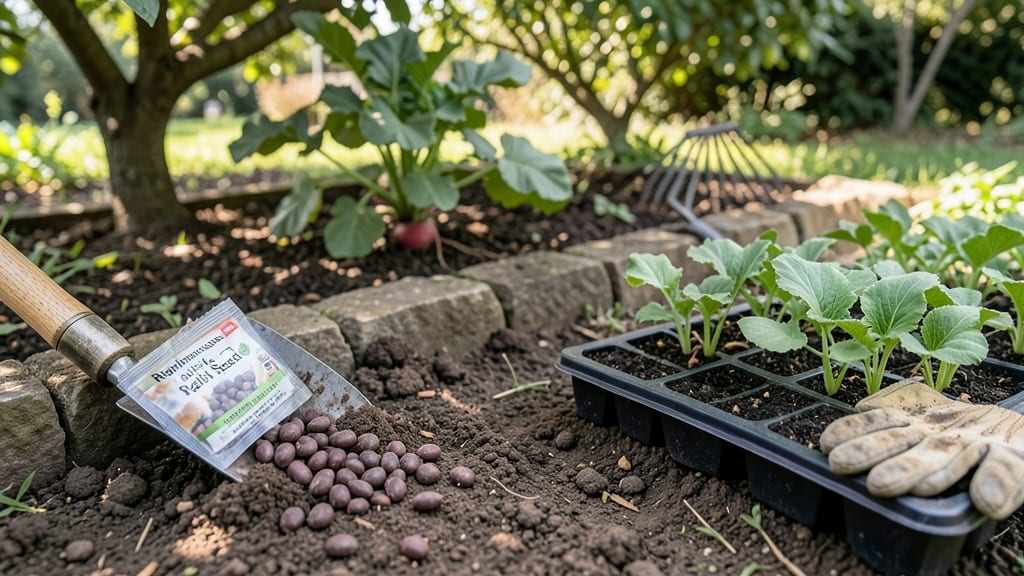
Minnesota radish planting calendar by hardiness Zone (with frost date adjustments)
Minnesota’s USDA Zones 4a-5a mean radishes must be planted strategically to avoid bitter roots or premature bolting. The key is aligning your planting with soil temperatures (ideal: 35-80°F) and frost-free windows. Most Minnesota gardeners succeed with two planting windows: early spring and late summer.
In Zone 4 (northern MN), your last frost typically arrives May 10-20, while Zone 5 (southern MN) sees frost-free conditions by April 20-May 5. For fall planting, aim to finish harvests before the first frost, usually October 10-20 across the state.
Here’s how to adjust your schedule based on your zone and local microclimate:
| Zone & Location | Spring Planting Window | Fall Planting Window | Soil Temp Requirement | Harvest Timeline |
|---|---|---|---|---|
| Zone 4 (Duluth, Brainerd) | April 25 - May 10 | July 20 - August 10 | 40-50°F (use row covers) | May 15 - June 15 (spring) / Aug 25 - Sept 10 (fall) |
| Zone 4b (St. Cloud, Alexandria) | April 15 - April 30 | July 10 - July 25 | 45-55°F | May 1 - June 10 / Aug 15 - Sept 5 |
| Zone 5a (Minneapolis, Rochester) | April 1 - April 15 | July 5 - July 20 | 50-60°F | April 20 - May 20 / Aug 10 - Sept 1 |
| Zone 5b (Winona, Albert Lea) | March 25 - April 10 (with protection) | June 25 - July 15 | 55-65°F | April 10 - May 15 / July 20 - Aug 25 |
For urban gardeners in cities like Minneapolis or St. Paul, microclimates near buildings or pavement can warm soil faster. Plant 2-3 weeks earlier in these spots. Conversely, rural areas with colder soils may need row covers or black plastic mulch to speed germination.
If you’re unsure about your last frost date, check the MN State Climatology Office or use the Old Farmer’s Almanac for your specific county. I’ve planted radishes in Zone 4b using this method for 5 years, and the fall crop always outperforms spring in my garden.
Succession planting is key in Minnesota’s short season. Sow radishes every 2 weeks from April to July for a continuous harvest. For example, plant a batch on April 15, then again on May 1 and May 15 to stagger maturity.
In late summer, focus on fast-maturing varieties (under 30 days) to beat frost. I’ve had success with ‘Early Scarlet Globe’ planted as late as August 1—it matures by September 10, just before frost hits.
Remember: Overcrowding leads to small, pithy radishes. Thin seedlings to 1 inch apart when they’re 1 inch tall to ensure proper growth. This simple step makes all the difference in Minnesota’s compact soil.
For extended fall harvests, use floating row covers to protect plants from light frosts (down to 25°F). This can push your harvest window back by 2-3 weeks, giving you radishes well into October.
5 Critical factors that determine radish success in Minnesota (beyond just dates)
Timing your radish planting is just the first step—Minnesota’s unpredictable weather, short growing season, and variable soil conditions can make or break your harvest. Even with perfect dates, these five factors often override your planting schedule, leading to bitter roots or bolted greens.
First, soil temperature is non-negotiable. Radish seeds need soil that’s at least 35°F to germinate, but they thrive between 60-70°F. Cold soil slows growth, while heat above 80°F triggers bolting (flowering too early). Use a soil thermometer to check before planting—especially in Minnesota’s cool springs.
Second, sunlight exposure directly impacts radish flavor and growth speed. While radishes prefer full sun (6+ hours daily), Minnesota’s long summer days can be tricky. Too much midday sun in July causes bolting, but partial shade slows growth.
Aim for morning sun + afternoon shade in peak summer (June-August) to balance speed and quality.
Third, water consistency is often the hidden culprit behind poor radishes. Minnesota’s dry winds and inconsistent rainfall can lead to uneven moisture, causing roots to split or become woody.
Water deeply every 3-5 days (1 inch total), but avoid wetting leaves to prevent disease. A drip irrigation system is ideal for Minnesota gardens.
Fourth, variety selection can mean the difference between success and failure. Fast-maturing varieties like 'Cherry Belle' (25 days) handle Minnesota’s short season better than slow growers like 'Black Spanish' (60+ days). For fall planting, choose cold-hardy types like 'French Breakfast' that tolerate light frosts without bolting.
Finally, succession planting extends your harvest window in Minnesota’s limited frost-free period. Instead of one big planting, sow radishes every 2 weeks from April to July, then again in August for fall harvests. This ensures a steady supply while accounting for Minnesota’s unpredictable weather shifts.