
Plants
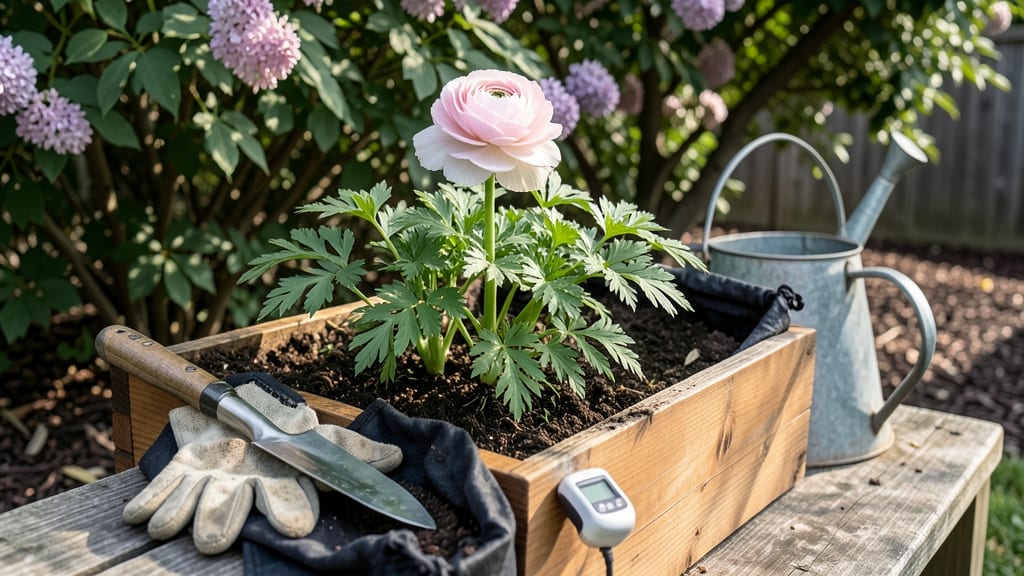
If you’re dreaming of a garden filled with delicate 🌸 Ranunculus blooms next spring, knowing when to plant ranunculus in Zone 7 is your ticket to success. Plant too early, and you risk weak growth; too late, and you might miss the magic entirely.
In Zone 7, timing is everything—especially since these papery beauties need a cooling period to thrive. The sweet spot? September to October, about 8-10 weeks before your last frost. This gives the bulbs just enough time to root before winter sets in.
But here’s the thing: Zone 7’s unpredictable weather can throw off even the best-laid plans. Whether you’re a first-time gardener or a seasoned pro, I’ll walk you through the exact steps to plant them right, avoid common mistakes, and ensure those vibrant spring blooms you’re craving.
Let’s dive into the best months, soil prep, and care tips so you can enjoy a garden that looks like a postcard—without the guesswork.
Optimal planting months for ranunculus in Zone 7: a seasonal breakdown
Timing is everything when it comes to growing ranunculus in Zone 7, where winters can be mild but unpredictable. Unlike many bulbs, ranunculus thrives when planted in fall—specifically September to October—to ensure they experience the chilling period they need before spring blooms.
Planting too early or late can lead to weak stems, poor flowering, or even bulb rot in Zone 7’s humid climate.
Zone 7’s average last frost date is around April 15, meaning you should plant ranunculus bulbs 8-10 weeks before the ground freezes (typically by mid-October). This timing allows bulbs to establish roots before winter dormancy while avoiding the risk of premature sprouting in milder winters.
For gardeners in cooler microclimates within Zone 7, aim for late September to give bulbs extra time to root.
While fall planting is ideal, you can plant ranunculus in early spring (February-March) if you’re in a warmer microclimate or using pre-chilled bulbs. However, spring-planted bulbs often produce smaller blooms and may struggle in Zone 7’s summer heat without proper care.
Always check your local frost dates—err on the side of planting earlier rather than later.
Here’s the key: Ranunculus bulbs need 6-8 weeks of chilling to break dormancy. In Zone 7, fall planting naturally provides this, but if you’re planting in spring, you’ll need to pre-chill bulbs in the fridge for 6-8 weeks before planting.
Skipping this step can result in bulbs that refuse to sprout or produce only a few weak stems.
For gardeners in Zone 7a (colder microclimates), prioritize planting by October 1 to avoid early winter freezes that can damage newly planted bulbs.
In Zone 7b (warmer microclimates), you can stretch planting into early November, but monitor weather forecasts—bulbs need 4-6 weeks of root establishment before the ground freezes solid.
Pro tip: If you’re unsure about your exact frost dates, use the 500-degree-day rule—ranunculus bulbs need to accumulate 500+ degree-days (average daily temps above 32°F) to bloom reliably.
Zone 7 typically hits this by mid-April, so aim to plant bulbs 10-12 weeks before that target date for best results.
One common mistake in Zone 7 is waiting until November to plant, thinking the ground is still workable. By this point, bulbs won’t have enough time to root before winter, leading to poor survival rates.
If you miss the fall window, your only option is spring planting with pre-chilled bulbs—but expect fewer blooms and weaker stems.
To maximize your ranunculus success in Zone 7, mark your calendar for mid-September and prepare your soil in advance. The earlier you plant, the more time bulbs have to establish roots, and the more vibrant your spring blooms will be.
With the right timing, you’ll enjoy ranunculus flowers from late April through June, adding a touch of whimsical charm to your garden.
🌸
Optimal planting months for ranunculus in Zone 7: a seasonal breakdown
Timing is everything when growing ranunculus in Zone 7, where fall planting is your golden ticket to spring blooms. Unlike many bulbs, ranunculus requires a cold period to flower, making September and October the ideal months.
Planting too early risks rot from winter rains, while waiting too long may delay blooms until late spring.
In Zone 7, aim to plant 8-10 weeks before your average last frost date (typically mid-April). This means late September to early October is your sweet spot. For early blooms, push planting to mid-September, but avoid planting after mid-October unless your soil stays dry through winter.
📅 Ranunculus Planting Timeline for Zone 7
| Month | Planting Window | Key Consideration |
|---|---|---|
| August | Early August (Zone 7 only) | Risky—soil may still be warm; only for early varieties. |
| September | Best time: Late Sept | Ideal for 8-10 weeks before frost; bulbs chill naturally. |
| October | Early October (if soil stays dry) | Last chance—plant deeper if frost threatens. |
| November | Not recommended | Bulbs may rot in wet soil; skip unless using protected beds. |
If you miss the fall window, spring planting is possible but not ideal. Plant in February or early March and chill bulbs for 6-8 weeks in your fridge (wrap in damp paper towels). This mimics winter conditions, but blooms will arrive 2-3 weeks later than fall-planted ranunculus.
Pro tip: Use a planting calendar or local frost dates to fine-tune timing. In Zone 7, early September plantings often yield April blooms, while October plantings may bloom in May. Adjust based on your local microclimate—cooler inland areas can plant slightly later than humid coastal zones.
For container gardening, follow the same timeline but use well-draining pots to prevent winter waterlogging. Place containers in sheltered spots or move them to a garage during heavy rains to protect bulbs.
Remember, ranunculus bulbs are not frost-tolerant once sprouted, so cover with mulch after planting to insulate soil. This extra step can extend your planting window by 2-3 weeks in Zone 7’s variable winters.