
Plants
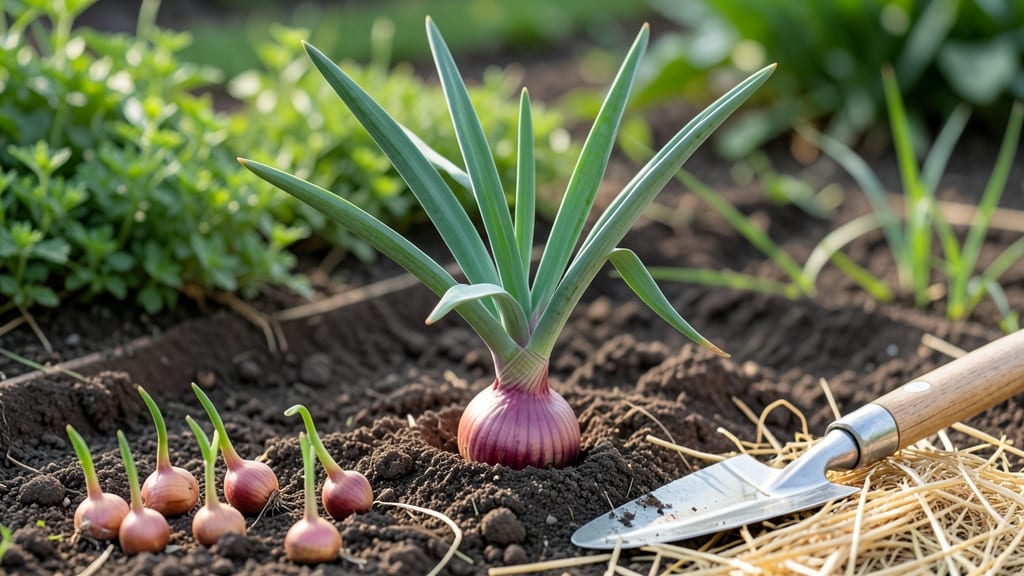
Timing your red onion 🧅 planting in Georgia can mean the difference between a bumper crop and wasted effort. Whether you're a seasoned gardener or just starting out, getting the frost-free window right ensures your onions thrive from seed to harvest.
In zones 7b-8b, early spring and late summer offer the perfect opportunities to plant. But here's the catch: planting too soon risks frost damage, while waiting too long might leave you with smaller bulbs. I'll show you exactly when to start based on your specific microclimate.
We'll cover everything from soil temperature thresholds to adjusting your schedule for Georgia's variable frost dates. By the end, you'll know precisely when to plant for those bold, flavorful onions you've been dreaming about.
Ready to transform your garden? Let's dive into the science-backed planting windows that work for Georgia's unique climate—no more guessing games, just reliable results every season.
Georgia’s red onion planting calendar by hardiness Zone (7a-8b)
Georgia’s climate varies dramatically from the Coastal Plain to the Mountains, making precise planting timing critical for red onions. The state spans USDA Zones 7a-8b, with last frost dates ranging from mid-March in the north to early March in the south.
To maximize your harvest, align planting with soil temperatures (ideal: 60-65°F) and daylength sensitivity—red onions are short-day plants, meaning they bulb best in Georgia’s cooler months.
For spring planting, aim for 4-6 weeks before your last frost date (typically late February to early March in most zones). Fall planting should occur 8-10 weeks before the first frost (usually late August to early September).
Missing these windows risks bolting (premature flowering) or frost damage, both of which ruin your crop. Always check the UGA Extension frost calendar for your specific county.
Here’s a zone-by-zone breakdown of ideal planting windows, bulb maturity timelines, and harvest dates tailored to Georgia’s microclimates:
| Zone | Last Frost Date | Spring Planting Window | Bulb Maturity | Harvest Window |
|---|---|---|---|---|
| 7a (North GA Mountains) | Mid-March | Late Feb - Early March | May - June | June - July |
| 7b (Piedmont) | Early March | Early March - Mid-March | Late May - June | June - July |
| 8a (Central GA) | Early March | Late Feb - Early March | Late April - May | May - June |
| 8b (Coastal GA) | Mid-February | Late Jan - Early Feb | April - May | May - June |
| Fall Planting Window: Late August - Early September (All Zones) | ||||
Fall planting is often underutilized but yields sweeter, larger bulbs in Georgia’s mild winters. For late-summer sowing, choose short-day varieties like ‘Red Baron’ or ‘Tropea’, which thrive in Georgia’s cooler autumn temperatures. Plant 8-10 weeks before your first frost (typically late October) to ensure bulbs mature before winter sets in. In Zone 8b (Coastal GA), you can even extend harvests into November with proper mulching.
Soil temperature is just as critical as air temperature. Use a soil thermometer to confirm 60-65°F before planting—cold soils delay germination and stunt growth. In northern Georgia (Zones 7a-7b), wait until soil warms consistently in March to avoid rot or bolting. For fall plantings, aim for soil temps between 55-60°F to encourage bulb formation without premature sprouting.
Daylength matters: Red onions are short-day plants, meaning they bulb when daylight shortens. In Georgia, this happens naturally in fall, but spring plantings may require shade cloth (30-50%) to trick the plant into bulbing if days stay long. Without this adjustment, onions may bolt (send up flowers) instead of forming bulbs. Test varieties like ‘Red Creole’ (heat-tolerant) or ‘Red Wing’ (bolt-resistant) for Georgia’s long, hot summers.
Pro tip: Succession plant every 2-3 weeks in spring for a continuous harvest. Start with smaller sets (young plants) in February, then follow with larger sets in March. This staggered approach ensures you’re always harvesting mature bulbs while younger plants grow.
Pair this with mulching (straw or shredded leaves) to retain moisture and regulate soil temps—critical in Georgia’s humid summers and freezing winters.
For fall harvests, plant late August in Zone 7a and early September in Zone 8b. Use row covers in October to protect from early frosts, which can blacken bulbs.
Harvest before tops yellow if frost threatens—green onions are still edible and delicious! Store harvested bulbs in a cool, dry place (50-60°F) for long-term use.
How to extend your red onion harvest season in Georgia’s climate
Georgia’s warm winters and long growing season make it possible to harvest red onions year-round with strategic planting. Unlike northern climates, we can grow onions in fall, winter, and spring—but timing is key to avoiding bolting or frost damage.
The trick lies in succession planting and choosing varieties suited to Georgia’s mild winters.
For a continuous supply, start with a fall planting in August for a winter harvest (October–December). This works because Georgia’s Zone 7b–8b rarely drops below 20°F for long, protecting mature bulbs. Then, plant again in February for a spring harvest (April–June) before summer heat sets in.
Here’s how to maximize your harvest window with minimal effort:
Opt for short-day onions like 'Red Creole' or 'Texas Early White'—they mature faster in Georgia’s heat and tolerate cooler temps better than long-day types.
Sow seeds or sets in 2-week intervals starting in August (fall) and February (spring). This ensures a steady supply without overwhelming your garden at once.
Lightweight frost blankets (20°F rating) protect young plants during January–February cold snaps. Remove them on sunny days to prevent overheating.
Apply 4–6 inches of straw after planting to insulate soil and retain moisture. This keeps roots from freezing and encourages steady growth.
Snip green tops (scallions) in 60–70 days for quick harvests. Leave bulbs in the ground—they’ll regrow and produce more greens!
Plant no later than early April for a summer harvest. After that, heat stress causes onions to bolt (flower) prematurely.
Pro tip: Mark your calendar for UGA Extension’s frost dates—they update annually. For example, Athens (Zone 8a) averages its last frost around March 15, while Savannah (Zone 8b) rarely sees frost. Adjust your fall planting to 10–12 weeks before the first frost in your area.
With these strategies, you’ll enjoy fresh red onions from October through June—no gaps, no waste! Just remember: soil temperature matters most. Aim for 50–60°F at planting to avoid slow growth.