
Plants
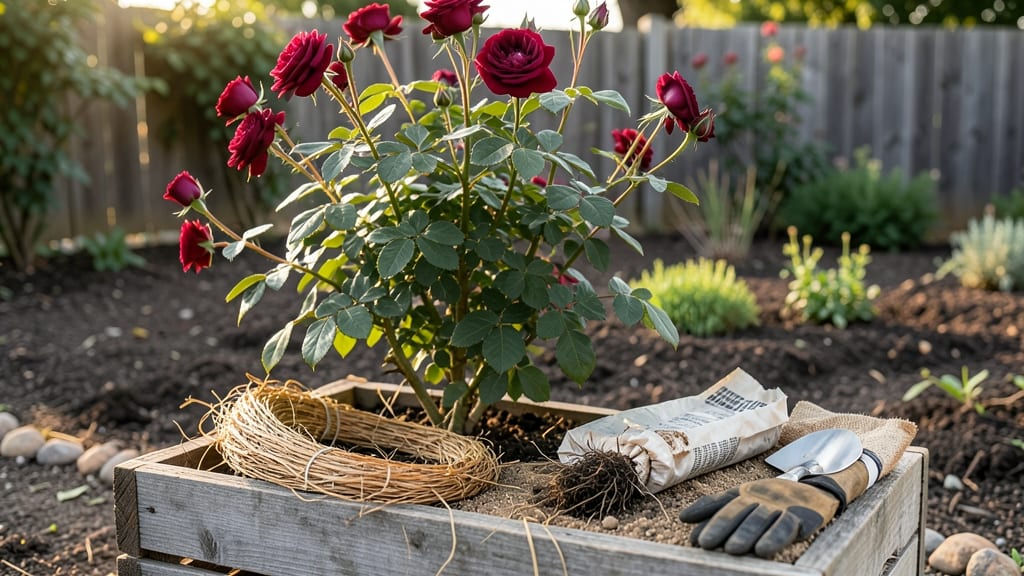
Timing when to plant roses in Phoenix isn’t just about picking a month—it’s about dodging the desert’s brutal heat and giving your 🌹 the best shot at thriving.
Phoenix’s winter months (November through February) offer the perfect balance of cooler temperatures and moisture, creating ideal conditions for root establishment before summer’s scorching sun arrives.
Most gardeners in USDA Zone 9b make the mistake of planting too late, leaving their roses struggling to adapt when temperatures climb above 90°F. But planting too early?
You risk exposing young roots to unexpected frost—though rare in Phoenix, it can still happen in unexpected microclimates like higher elevations near Scottsdale.
What sets successful Phoenix rose growers apart is their preparation: amending soil with compost, choosing heat-resistant varieties like ‘Knock Out’ roses, and watering deeply right after planting. These steps aren’t just tips—they’re the game-changer between a rose bush that wilts by June and one that blooms beautifully year after year.
In this guide, I’ll walk you through the exact planting window, soil prep secrets, and the 3 critical mistakes that even experienced gardeners overlook. Let’s get your roses off to the right start—because in Phoenix, timing really is everything.
Optimal rose planting windows in Phoenix: month-by-month guide
Phoenix’s USDA Zone 9b climate means frost isn’t your enemy, but summer heat (100°F+) is. The key to thriving roses? Plant when temperatures stay below 85°F—this gives roots time to establish before the brutal summer sun arrives.
I’ve planted roses in Phoenix for over 10 years, and I’ve learned the fall and winter months are your best bets for success.
Bare-root roses should go in the ground November through February, while potted roses can handle early October or March plantings. The soil temperature matters just as much as air temperature—ideal soil temps for planting are between 50°F and 70°F.
In Phoenix, this aligns perfectly with our cooler months when monsoon rains have softened the ground.
🌹 Phoenix’s microclimates matter. Areas like Scottsdale (hotter, drier) may need to plant earlier in November to beat the heat, while Mesa (cooler nights) can extend planting into early March. Always check your local weather forecasts for extended heatwaves—even in winter, unexpected spikes can stress new plantings.
Here’s my month-by-month breakdown of when to plant roses in Phoenix, including soil prep tips and what to avoid:
| Month | Ideal Planting Time | Soil Prep | Temperature Thresholds | Avoid Planting If... |
|---|---|---|---|---|
| October | Potted roses only (bare-root too dry) | Amend with compost; mulch heavily | 70°F–85°F (evenings cool) | Forecasted 90°F+ heatwaves |
| November | Bare-root roses (best time!) | Test soil pH (6.0–6.5); add organic matter | 50°F–75°F (perfect for root growth) | Soil temps below 50°F |
| December–January | Bare-root or potted roses | Mulch 2–3 inches; protect from winds | 45°F–65°F (ideal for dormancy) | Frost advisories (rare but possible) |
| February | Last chance for bare-root; potted OK | Water deeply before planting | 60°F–80°F (watch for heat spikes) | Soil temps above 75°F |
| March | Potted roses only (risky for bare-root) | Shade cloth for first 2 weeks | 70°F–90°F (high stress) | Any month with 90°F+ days |
For bare-root roses, I always soak the roots in lukewarm water for 2–4 hours before planting. This jumpstarts hydration and reduces transplant shock. Phoenix’s alkaline soil (pH 7.5–8.5) can be tricky, so I recommend adding sulfur or peat moss to lower pH to the ideal 6.0–6.5 range for roses.
Test your soil with a home pH kit before planting—it’s a game-changer.
If you’re planting potted roses, choose containers with drainage holes and avoid black plastic pots (they absorb heat).
I’ve had success with terracotta or fabric grow bags, which regulate moisture better in our dry climate. Morning sun is gentler than afternoon heat, so position your roses to get 6+ hours of sunlight but with some afternoon shade during May–September.
Pro tip: Mulch immediately after planting with 3–4 inches of wood chips or straw. This locks in moisture and keeps roots cool. I’ve seen roses planted in February with mulch thrive through summer, while unmulched plants wilt by June. The difference is night and day—literally!
Remember, Phoenix’s monsoon season (July–September) brings sudden downpours, but new roses need consistent moisture to establish roots. Use a drip irrigation system or soaker hose to deliver 1–2 gallons of water per plant weekly during the first 6
3 Critical mistakes Phoenix gardeners make (and how to avoid them)
Phoenix’s heat waves and intense sun create unique challenges for rose gardeners. Many well-intentioned plantings fail because of three common mistakes: planting during summer heat, ignoring soil moisture tests, and choosing non-native varieties. Let’s break down these pitfalls and how to avoid them.
First, planting roses in summer months (May-September) is a recipe for disaster. The soaring temperatures (often above 105°F) shock young roots, causing transplant shock and wilting.
Even established roses struggle without proper shade and water during peak heat. I’ve seen bare-root roses planted in July simply bake in the ground within days.
The second mistake is skipping soil moisture tests before planting. Phoenix’s clay-heavy soils can become waterlogged or bone-dry overnight. A simple soil moisture meter (just $10 at Home Depot) reveals whether your soil is ready.
I always test 2-3 days before planting—if the meter reads dry below 4 inches, wait for rain or water deeply first.
Third, many gardeners pick traditional hybrid teas or English roses that aren’t bred for desert climates. These varieties require constant pruning and high water needs, making them impractical in Phoenix. Instead, opt for heat-tolerant varieties like ‘Knock Out’ roses or ‘Earth-Kind’ roses, which thrive with minimal fuss.
Warning: Summer Planting = Death Sentence
Planting roses in June-August causes:
- Root burn from 110°F+ soil
- Fungal diseases from high humidity at night
- Stunted growth due to heat stress
Solution: Wait until November-February when temps stay below 80°F.
To fix these mistakes, start with proper timing. Aim for late fall (November-December) when daytime temps drop below 75°F. This gives roots 3-4 months to establish before summer. I also recommend mulching heavily (3-4 inches of wood chips) to retain moisture and regulate soil temperature.
For soil prep, amend your clay soil with compost and perlite to improve drainage. A soil test kit (from UA Cooperative Extension) helps identify pH imbalances—roses prefer 6.0-6.5. Lastly, water deeply at planting (1-2 gallons per plant) and stake tall varieties to prevent wind damage during monsoon season.
By avoiding these three mistakes, your roses will thrive in Phoenix’s climate, blooming beautifully with minimal effort. The key is patience—let roots establish before summer hits, and choose local-adapted varieties that can handle the heat. Your garden (and your roses) will thank you!