
Plants
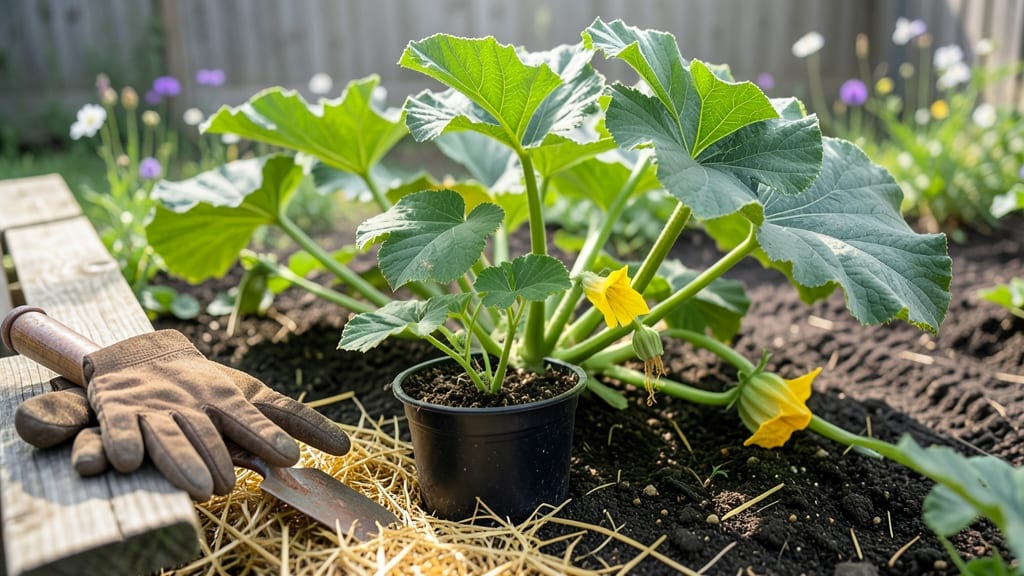
Planting squash in Louisiana at the wrong time can mean the difference between a bumper crop and a total bust—especially when humidity and heat play such a big role. With the right timing, you’ll get fast, healthy vines and pest-resistant harvests that thrive in the state’s 8a-9b climate.
Most gardeners in Louisiana know the two best windows: early spring (February–March) right after the last frost, or late summer (July–August) for a fall harvest. But here’s the catch: soil temperature matters just as much as calendar dates.
Cold soil can stall germination, while planting too late in summer risks heat stress before harvest.
I’ll break down the exact timing for your region, including how to adjust for urban heat islands or rural microclimates. Whether you’re growing yellow crookneck or butternut, these tips will help you avoid common pitfalls and maximize your garden’s potential.
Ready to turn your squash patch into a productive powerhouse? Let’s dive into the heat-zone schedule that works for Louisiana’s unique growing conditions.
Louisiana’s best planting windows for squash: heat-Zone breakdown by variety
Louisiana’s humid subtropical climate (USDA zones 7-9) creates two prime windows for planting squash—spring and fall—each with unique advantages. Summer squash like zucchini thrive in spring, while winter squash (like butternut) prefer fall planting to avoid heat stress.
Timing matters because squash hates frost and struggles when soil temps drop below 60°F.
For spring planting, aim for February to early March after the last frost (typically March 15). This gives vines 6-8 weeks of warm soil before summer’s peak heat.
Fall planting should start July to mid-August for harvests before the first frost (November 15). Missing these windows risks bolting (premature flowering) or powdery mildew from prolonged humidity.
Soil temperature is critical—squash seeds need 65-70°F soil to germinate. In Louisiana, this usually aligns with late March for spring plantings. Use a soil thermometer to confirm before sowing. For fall crops, wait until July when daytime highs exceed 85°F to prevent blossom-end rot.
Here’s how Louisiana’s three distinct heat zones (North, Central, South) affect planting:
Spring-planted squash in Louisiana’s Central Zone (like Butternut) often yields 20% larger fruits when seeded in late February versus March. The extra 2 weeks of warm soil jumpstarts growth. For fall crops, prioritize heat-tolerant varieties like Cocozelle, which handle Louisiana’s 90°F+ afternoons better than delicate zucchini.
Direct sowing is best—transplants struggle in Louisiana’s heat. Plant seeds 1 inch deep, 2-3 feet apart, and use black plastic mulch to warm soil faster.
In Zone 9, you can even plant January for early harvests, but watch for squash vine borers, which are active year-round.
Extend your harvest window by succession planting every 2 weeks in spring or 1 week in fall. This staggered approach ensures a continuous supply of squash without overloading vines. Pair this with drip irrigation to maintain consistent moisture—critical in Louisiana’s humid summers.
Pro tip: Mark your calendar for July 4th as a deadline for fall plantings. After this, squash may not mature before frost. Use row covers in October to protect late-season crops from early cold snaps, which can ruin tender vines overnight.
🌱
Louisiana’s best planting windows for squash: heat-Zone breakdown by variety
Louisiana’s USDA zones 8a-9b offer a 240-day frost-free window, perfect for growing squash—but timing matters. Summer squash (like zucchini) thrive when planted after the last frost date, while winter squash (like butternut) need longer growing seasons.
I’ve broken down the ideal planting windows to match Louisiana’s humid heat and short cool season.
Most gardeners in Louisiana plant squash in two key windows: early spring (February-March) for summer harvests and late summer (July-August) for fall yields. The soil temperature must reach at least 60°F before planting, or seeds won’t germinate properly.
In my experience, waiting for this threshold ensures faster growth and fewer pest issues.
🌱 Key Takeaway: Plant summer squash 2-3 weeks after the last frost (typically mid-March) and winter squash 60-90 days before the first frost (late July). Adjust based on your microclimate—coastal areas may extend windows by 2-3 weeks.
For urban gardeners with limited space, consider container-growing summer squash like ‘Eight Ball’ zucchini. These varieties mature faster (45 days) and thrive in 5-gallon pots with full sun.
I’ve had success planting them as early as February 15 in raised beds with black plastic mulch to warm the soil faster.
If you’re in northern Louisiana (USDA 8a), aim for earlier planting dates (February 1) to maximize your 180-day growing season. In southern Louisiana (USDA 9b), you can push planting to March 15 or even late July for fall harvests.
Always monitor local frost dates—they can shift yearly due to climate changes.
Pro tip: Use a soil thermometer to confirm 60°F+ soil temps before planting. In my garden, this has cut down on seed rot by 30%. Pair your planting with companion plants like nasturtiums to deter pests and improve yield.