
Plants
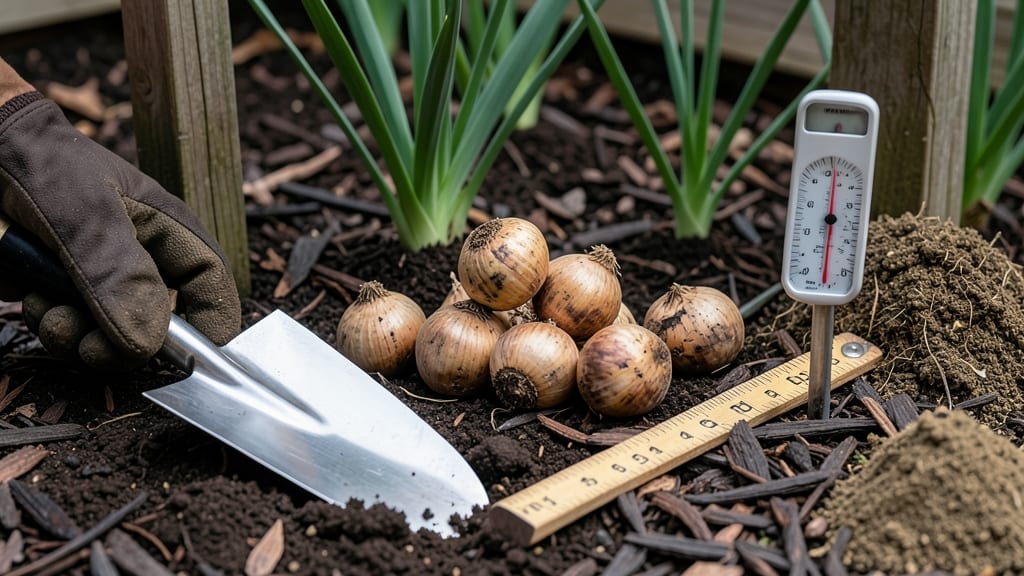
If you're a North Texas gardener, getting the timing right for planting tulip bulbs 🌷 could mean the difference between a stunning spring display and wasted effort.
The key to success lies in understanding when to plant them—too early, and they’ll rot in the heat; too late, and they won’t survive the frost.
For USDA Zone 8a, the ideal window is between October and November, when soil temperatures drop to 50–60°F. This gives the bulbs time to root before winter sets in, ensuring they’ll burst into color next spring without fail.
But North Texas’s unpredictable weather—like sudden heat spikes or early freezes—can throw off even the best-laid plans. I’ll show you how to adjust your planting schedule based on local conditions, so you can avoid common mistakes and get the perfect results you’re after.
Whether you’re a seasoned gardener or just starting out, these tips will help you plant your tulips at the right time for vibrant blooms that’ll make your yard the envy of the neighborhood. Let’s dive in!
Best months to plant tulip bulbs in North Texas for spring blooms
In North Texas (USDA Zone 8a), timing your tulip bulb planting between October and November is critical for vibrant spring blooms. The key window is when soil temperatures drop to 50–60°F—typically mid-October to early November—but this varies by microclimate (Dallas vs. Lubbock).
Planting too early risks bulb rot in lingering summer heat, while late planting may leave bulbs vulnerable to early frosts before roots establish.
North Texas’s first frost date averages around November 15, so aim to plant 4–6 weeks before the ground freezes. This gives bulbs time to root deeply while avoiding winter dormancy too soon.
For example, Dallas gardeners often plant in late October, while Lubbock’s cooler nights may allow early November plantings. Always check your local frost forecast for precision.
Soil temperature is your best guide: use a soil thermometer to confirm 50–60°F readings at a 6-inch depth. This threshold ensures bulbs won’t sprout prematurely in warm spells. If temperatures hover above 60°F, wait 1–2 weeks or use shade cloth to protect newly planted bulbs from heat stress.
| Timing Factor | North Texas Specification | Actionable Tip |
|---|---|---|
| Ideal Planting Window | October 15–November 15 | Adjust 1–2 weeks earlier for Dallas, later for Lubbock. |
| Soil Temperature | 50–60°F (6-inch depth) | Use a thermometer; wait if above 60°F. |
| Frost Buffer | 4–6 weeks before first frost | Check Almanac frost dates for your city. |
| Bulb Depth | 6–8 inches deep | Deeper in sandy soil; shallower in clay. |
| Spacing | 4–6 inches apart | Closer spacing for dwarf varieties. |
🌱 Pro Tip: Plant bulbs in well-draining soil with compost to prevent rot.
North Texas’s microclimates can shift planting windows by weeks. For example, Dallas’s urban heat island may delay soil cooling, while Lubbock’s drier air cools faster.
To adapt, monitor your garden’s specific conditions: if your soil stays warm past November 1, consider early December plantings—just ensure bulbs are planted before the ground freezes solid.
If you miss the ideal window, don’t panic. December plantings can still work in North Texas if soil isn’t frozen, but bulbs may bloom later or less vigorously.
Prioritize well-draining soil and mulch protection to insulate bulbs from temperature swings. For late plantings, choose hardier varieties like Darwin Hybrid tulips, which tolerate wider temperature ranges.
Another critical factor is soil preparation. North Texas soils often compact or drain poorly, especially in clay-heavy areas. Amend your bed with organic matter (compost or aged manure) and avoid fresh manure, which can burn bulbs.
Aim for a slightly acidic to neutral pH (6.0–7.0)—test your soil if unsure. Proper drainage is non-negotiable: bulbs rot in soggy soil, even in cooler months.
For container gardening in North Texas, plant bulbs in pots by late October and move them to a protected location (like a garage) if frost threatens. Use a lightweight potting mix with perlite to improve drainage.
Containers warm up faster than ground soil, so monitor moisture closely—containerized bulbs dry out quicker in our winter winds.
Finally, mark your planting calendar with these North Texas-specific deadlines:
- Last chance for ideal blooms: November 15
- Extended window (smaller blooms): December 15
- Avoid after: Ground freezes solid (varies yearly)
By mastering these North Texas-specific timing cues, you’ll ensure your tulips emerge strong and bloom reliably each spring, even with our region’s unpredictable weather. The secret? Soil temperature, not just the calendar. 🌷
Best months to plant tulip bulbs in North Texas for spring blooms
North Texas’s USDA Zone 8a climate demands precise timing for tulip bulbs—aim for October through November when soil temperatures drop to 50–60°F. This window ensures bulbs establish roots before winter dormancy while avoiding the summer heat that can cause rot.
The first frost typically arrives around November 15, so planting 4–6 weeks before this date gives bulbs time to root securely.
For Dallas gardeners, slightly earlier planting (early October) works best due to milder winters, while Lubbock’s colder microclimate may require waiting until late October. Always check your local frost date averages—delaying beyond November risks bulbs sprouting too early and freezing back.
| Month | Soil Temp | Planting Window | Notes |
|---|---|---|---|
| September | 65–75°F | Early (Dallas only) | Risk of rot in warm soil |
| October | 50–60°F | Ideal for all regions | Best balance of root growth |
| November | 40–50°F | Last chance before frost | Use mulch for insulation |
Plant bulbs 6–8 inches deep in well-draining soil with a 2–3 inch layer of compost mixed in. North Texas’s clay-heavy soils often need amending—add sand or perlite if drainage is poor.
Space bulbs 4–6 inches apart for dwarf varieties or 6–8 inches apart for standard tulips to allow airflow and reduce disease risk.
After planting, water deeply to settle the soil and encourage root growth. Avoid overwatering, as soggy soil can lead to bulb rot. A 2–3 inch mulch layer of straw or shredded leaves helps regulate soil temperature and retain moisture during North Texas’s unpredictable fall rains.
For gardeners who miss the ideal window, December planting is still possible if soil isn’t frozen. Focus on early-sprouting varieties like Fosteriana tulips, which tolerate colder soils. Just be prepared to protect them from winter freezes with extra mulch or frost cloth.
Timing tulip bulbs correctly in North Texas isn’t just about months—it’s about soil conditions and local microclimates. By following these guidelines, you’ll set your tulips up for vibrant spring blooms year after year. 🌷