
Plants
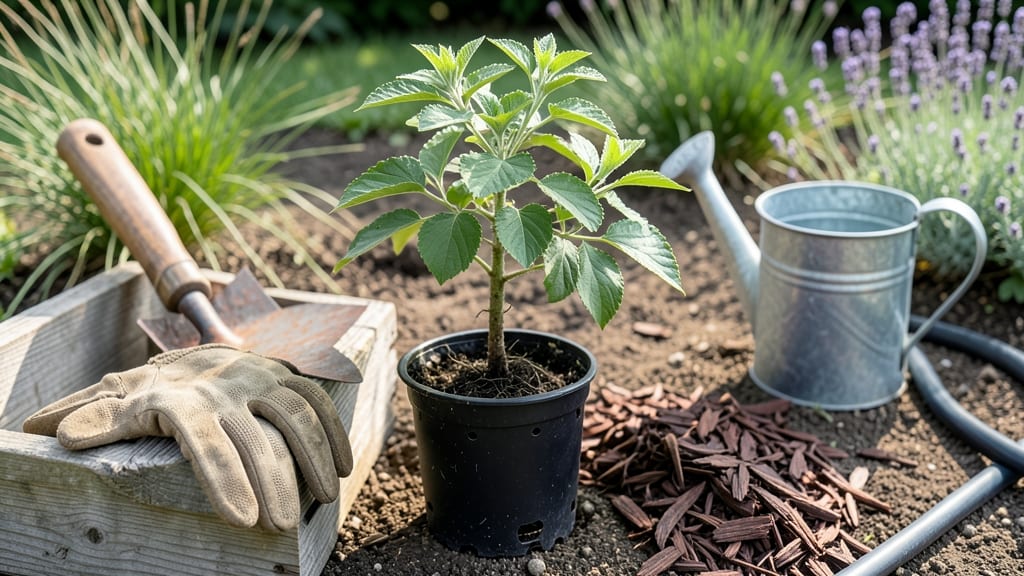
If you're dreaming of adding fragrant, drought-resistant vitex 🌿 to your Texas garden, timing is the secret weapon that separates thriving plants from struggling ones.
Planting too early risks frost damage, while waiting too long means battling summer heat before roots even establish—neither scenario ends well for your 6-foot-tall beauty.
Texas gardeners know the stakes: North Texas freezes can linger until February 15, while South Texas stays warm enough by January 1 for early planting. The sweet spot? Late winter to early spring, when soil temperatures hit 60°F—the magic number for root growth before the heat ramps up.
I’ve seen vitex struggle in Texas gardens where timing was off, but with the right approach, it becomes a low-maintenance powerhouse that handles our alkaline soils and scorching summers like a champ. Let’s break down exactly when to plant in your specific zone to guarantee success.
From soil prep to heat acclimation, we’ll cover every Texas-specific trick to give your vitex the strong start it deserves—so you can enjoy its purple blooms and silvery foliage for years to come.
Optimal planting months for vitex in Texas zones 8-10
Texas’s diverse climate—from North Texas’s cooler winters to South Texas’s extended heat—means vitex planting timing varies dramatically. In USDA Zones 8-10, the last frost dates range from mid-February in North Texas to January in the Rio Grande Valley.
This creates a 3-week window where gardeners must act quickly to avoid frost damage while ensuring roots establish before summer’s intensity.
For best results, aim to plant vitex between mid-March and early April. This window aligns with soil temperatures reaching 60°F+, the ideal range for root development. In Zone 8a (e.g., Dallas/Fort Worth), wait until after March 15 to avoid late frosts.
Meanwhile, Zone 10b (e.g., Brownsville) can plant as early as late February, but heat stress becomes a risk if planted too early.
Vitex is a hardy shrub, but its tender new growth is vulnerable to unpredictable Texas freezes. For example, the 2021 Winter Storm Uri dropped temperatures to 10°F in Houston, killing unprotected vitex. Planting after the last average frost (check your local AgriLife Extension data) minimizes this risk.
Here’s how to adjust your timing based on Texas’s microclimates:
- North Texas (Zone 8a): Plant March 15–April 15
- Central Texas (Zone 8b–9a): Plant March 1–April 10
- South Texas (Zone 9b–10b): Plant February 20–March 30
If you miss the ideal window, don’t panic—vitex can handle late spring planting (up to May 15 in most zones). However, seedlings planted after May 15 may struggle with establishing roots before summer dormancy. For a mid-summer boost, consider container planting to control soil temperature and moisture.
Pro tip: Use a soil thermometer to confirm 60°F+ soil temps before planting. In North Texas, this often means waiting until early April, even if frost risk drops. Vitex’s drought tolerance is impressive, but root establishment in cool soils is its Achilles’ heel.
For container-grown vitex, adjust timing by 2–4 weeks earlier—containers warm up faster. Place pots in sheltered, south-facing locations to maximize heat absorption. If you’re growing from seed, start indoors 8–10 weeks before your target outdoor planting date to give seedlings a head start.
Remember, vitex’s fragrant blooms and low-maintenance nature make it worth the timing effort. With the right planting window, your vitex will reward you with vibrant purple flowers from summer through fall—even in Texas’s harshest heat.
Optimal planting months for vitex in Texas zones 8-10
Texas’s diverse climate zones (8a-10b) mean vitex planting timing varies dramatically from North Texas to the Gulf Coast. In Zone 8a (e.g., Dallas), wait until mid-March after the last frost (February 15 average) to avoid 32°F nighttime dips.
Meanwhile, Zone 10a (Houston) gardeners can plant as early as late February, when soil temps hit 60°F consistently.
Your vitex’s survival hinges on soil temperature, not just air temp. Use a soil thermometer—roots won’t establish below 55°F. In East Texas, where humidity spikes in spring, plant early March to beat fungal risks.
For West Texas (Zone 8b), aim for April to align with monsoon moisture patterns.
🌱 Texas Vitex Planting Windows by Zone
| Zone | Ideal Month | Soil Temp Goal (°F) | Key Risk |
|---|---|---|---|
| 8a (Dallas) | Mid-March | 60°F+ | Late frost |
| 9a (Austin) | Late February | 58°F+ | Heat stress |
| 10a (Houston) | Late February | 62°F+ | Humidity |
| 8b (Midland) | April | 65°F+ | Drought |
Pro tip: Acclimate container-grown vitex 7–10 days before planting by moving pots outside during the day and back inside at night. This hardens off tender roots, reducing transplant shock—a critical step for Texas summers where temps can hit 100°F+ by June.
Missed the spring window? Fall planting (October–November) works in North Texas (Zones 8a–8b) if you’re willing to water heavily through winter. In South Texas, fall planting risks hurricane season (June–November), so stick to spring. Always mulch deeply (3–4 inches) to lock in moisture and regulate soil temps.
Watch for heat waves after planting—vitex can wilts dramatically in 95°F+ without deep watering. Use drip irrigation set to 2000ml per plant twice weekly until established. Morning watering (before 10 AM) prevents fungal growth from prolonged leaf wetness.
In urban heat islands (e.g., downtown Houston or San Antonio), plant vitex 1–2 weeks earlier than rural areas—paved surfaces raise ambient temps by 5–10°F, accelerating growth but also drying soil faster. Pair with native ground covers (like buffalo grass) to retain moisture.