
Orchid Care
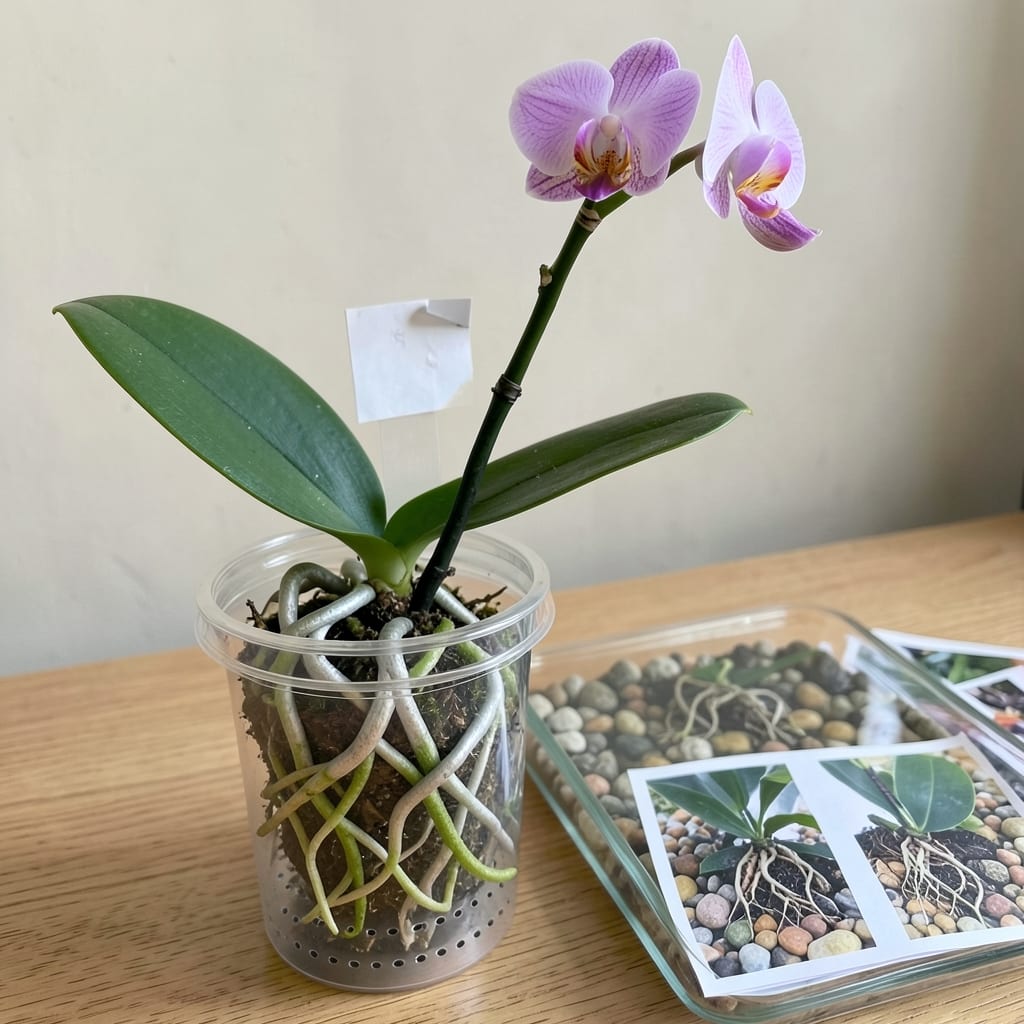
Wondering how long for orchids to grow new roots after repotting or dormancy? The answer might surprise you—because it’s not just about waiting weeks. Your 🌸 orchid’s variety, care routine, and even the time of year play a bigger role than you’d think.
Some orchids, like the fast-growing Phalaenopsis, can show fresh roots in just 2-3 weeks with the right conditions, while others need 4-6 weeks to bounce back. The key isn’t just patience—it’s creating the perfect environment to trigger growth. Too much water, poor light, or low humidity can stall progress, leaving you staring at bare roots for months.
In this guide, I’ll break down the exact timelines by orchid type, plus the hidden triggers that speed up root regrowth. You’ll learn how to spot early signs of new roots, adjust your care routine, and avoid common mistakes that keep orchids struggling. Let’s turn those leafless stems into a thriving root system faster than you’d expect.
Whether you’re a beginner or a seasoned grower, these insights will help you monitor progress like a pro. By the end, you’ll know exactly what to do—and when—to give your orchid the best shot at strong, healthy new roots.

Orchid root regrowth timeframes by type: what to expect from Phalaenopsis, Cattleya, and others
Understanding orchid root regrowth timeframes starts with your plant’s variety—because not all orchids grow roots at the same speed. The Phalaenopsis, or moth orchid, is the fastest regrower, often showing new roots in just 2-3 weeks under ideal conditions. Meanwhile, Cattleya orchids, with their thick pseudobulbs, can take 4-6 weeks to regenerate roots after dormancy.
Even within the same species, factors like seasonal light exposure and humidity levels can shift timelines by weeks. For example, a Dendrobium orchid might take 3-4 weeks in spring but stretch to 6-8 weeks if repotted in winter. The key is recognizing these variations and adjusting your care routine accordingly.
Here’s a quick comparison of common orchid varieties and their typical root regrowth windows:
| Orchid Variety | Root Structure | Regrowth Timeframe | Fastest Growth Season | Key Care Trigger |
|---|---|---|---|---|
| Phalaenopsis (Moth Orchid) | Thin, velvety roots | 2-3 weeks | Spring/Summer | Bright indirect light + high humidity |
| Cattleya (Cattleya Orchid) | Thick pseudobulbs | 4-6 weeks | Fall/Winter | Dormancy period followed by gradual watering |
| Dendrobium (Stem Orchid) | Thick canes with aerial roots | 3-5 weeks | Spring | Cooler temperatures (60-70°F) + bark substrate |
| Oncidium (Dancing Lady Orchid) | Rhizomes with clustered roots | 3-4 weeks | Summer | Frequent misting + well-aerated mix |
| Paphiopedilum (Lady Slipper Orchid) | Thick, fleshy roots | 6-8 weeks | Spring | Consistent moisture + peat-based mix |
Notice how Phalaenopsis orchids top the list for speed? That’s because their thin roots absorb moisture quickly when conditions are right. In contrast, Paphiopedilum orchids—with their fleshy, moisture-storing roots—take nearly twice as long to regrow. This difference is why substrate choice matters so much.
A bark-based mix speeds up regrowth for Dendrobiums by improving aeration, while a peat-heavy mix helps Paphiopedilums retain moisture during their slower recovery. Even the pot size plays a role: a pot that’s too large can delay root growth by up to 2 weeks because the orchid focuses energy on filling the extra space instead of regenerating.
Seasonal shifts also explain why your orchid might take longer in winter. For instance, a Cattleya repotted in December could take 8 weeks to regrow roots compared to 4 weeks in April. That’s because cooler temperatures slow metabolic processes. To counteract this, I recommend supplementing with a grow light during short-day months to maintain consistent growth signals.
One common misconception is that orchids need months to regrow roots after repotting. While this can happen with neglected plants, healthy orchids—especially Phalaenopsis—can show visible root tips in as little as 10 days if given the right conditions. The trick is to monitor root color and texture weekly. Healthy new roots start as silver-green and firm to the touch, while struggling roots stay shriveled or mushy.
Pro tip: If your orchid’s roots are slow to regrow, check for hidden root rot by gently separating the roots. A foul smell or blackened tips mean you’ve got a fungal issue that needs immediate attention—often requiring hydrogen peroxide soaks or a fresh repotting with sterile bark. Don’t let root rot turn a slow regrowth into a stalled one.
5 Key care triggers that speed up orchid root growth (and 3 mistakes that stall it)
Most orchid growers focus on watering schedules when roots stall—but the real game-changers are often overlooked. For example, a Phalaenopsis orchid can regrow roots 30% faster with just 10% more humidity and 2 extra hours of light per day. These care triggers turn weeks of waiting into progress you can see in days. Let’s dive into what actually moves the needle for your orchid’s roots.
First, light intensity is non-negotiable. Orchids need 12-14 hours of bright, indirect light daily to trigger root growth hormones. Place your orchid near an east or west-facing window—south windows can scorch roots in summer. If natural light is lacking, a 15W LED grow light (placed 6 inches above the plant) can mimic spring conditions and jumpstart regrowth by 2 weeks.
- Bright indirect light (12-14 hrs/day) – Triggers photosynthesis for root energy. Use grow lights in winter.
- Humidity above 50% – Mimics tropical conditions; use a pebble tray or humidifier near orchids.
- Deep soak watering (1x/week) – Fully saturates roots without soggy substrate. Let excess drain completely.
- Bark-based substrate – Improves aeration for Dendrobium and Cattleya; avoid peat for fast-drying varieties.
- Warmth (70-80°F) – Cooler temps stall growth; avoid drafts near AC vents or heat sources.
Humidity is the second-biggest factor after light. Orchids native to tropical forests thrive at 60-80% humidity, but most homes hover around 30-40%. A simple pebble tray (fill a tray with pebbles and water, place pot on top) can boost local humidity by 20-30% without overwatering. For stubborn slow-growers like Paphiopedilum, a humidifier set to 60% can cut regrowth time in half.
Watering is where most growers go wrong. The soak-and-dry method is critical: submerge the pot in room-temperature water for 10-15 minutes until water runs out the bottom. Then, let it drain completely—soggy roots rot in 3-5 days, while dry roots shrivel and stop growing. Schedule watering for morning so foliage dries by evening, reducing fungal risks.
Three care mistakes stall root growth more than anything else. First, overpotting forces orchids to expend energy filling empty space instead of regenerating roots. Use a pot 1-2 inches larger than the root ball. Second, low-light conditions (like north-facing windows) trick orchids into dormancy, slowing regrowth by up to 4 weeks. Finally, using tap water with chlorine damages root cells—always let water sit for 24 hours or use filtered water.
Pro tip: If your orchid’s roots still aren’t responding after 4 weeks, check for root-bound conditions by gently teasing apart the roots. If they’re circled tightly around the pot, it’s time to repot—even if roots look healthy. A fresh bark mix and slightly larger pot can restart growth within 10 days.