
How To
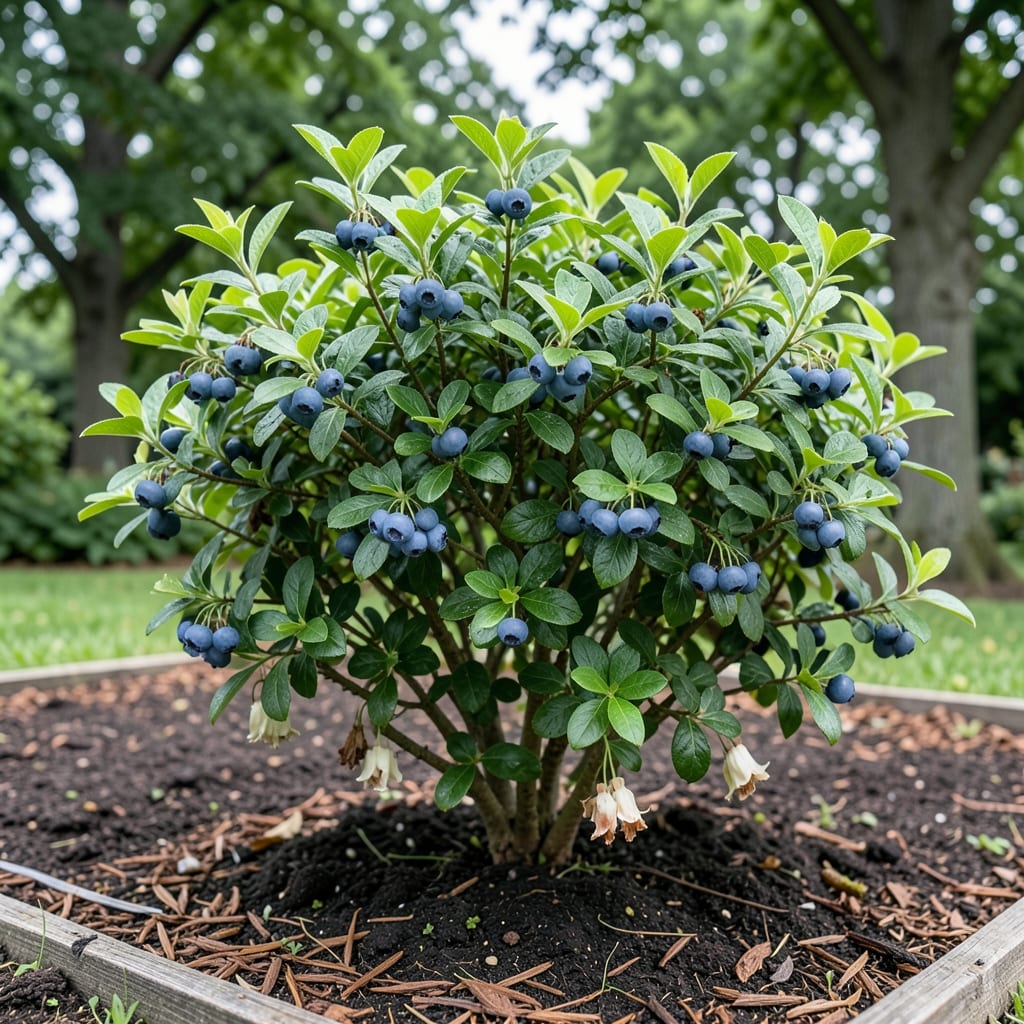
If you're planning a blueberry bush garden, knowing how tall blueberry bushes grow is the first step to designing a space that works for both your yard and your harvest goals. These shrubs don't grow overnight - some varieties start small but can reach towering heights over time, while others stay neatly compact.
The 🫐 blueberry bush you plant today could be a 6-foot giant in just three years, or a manageable 3-foot shrub if you choose a dwarf variety. The difference comes down to careful selection and proper care from day one. Whether you're working with limited space or dreaming of a berry-filled landscape, understanding these growth patterns helps you plan for success.
What you'll discover here is how different blueberry varieties grow at different rates, which factors influence their final height, and how you can shape their growth to fit your garden perfectly. From the first spring planting to that first harvest, we'll cover everything you need to know about managing your blueberry bushes' height throughout their lifecycle.
Ready to transform your garden into a blueberry paradise? Let's explore how these versatile shrubs grow year by year and what you can do to ensure your bushes reach their full potential - at just the right height for your space and needs.


Blueberry bush height by year: growth stages from seedling to maturity
Understanding how tall blueberry bushes grow year by year helps you plan your garden's layout and care routine. Most blueberry bushes follow a predictable growth pattern, but their final height depends heavily on the variety you choose and how well you maintain them. Let’s break down what to expect each year from planting to maturity.
In their first year, blueberry bushes focus on root development rather than vertical growth. You’ll typically see a 1-2 foot increase in height, with the bush establishing a sturdy base for future growth. This is when proper soil preparation and watering set the stage for healthy development.
By year two, your blueberry bush will experience its first major growth spurt, shooting up to 3-4 feet tall. This is also when you’ll start noticing the first flower buds, though they may not produce fruit yet. Pruning in late winter or early spring helps shape the bush and encourages stronger growth.
The third year is when blueberry bushes really take off, often reaching 5-6 feet in height. This is when you’ll see the first significant fruit production, though yields may still be modest. Proper fertilization and pruning during this stage are critical to maintain healthy growth and fruit quality.
Here’s a clear breakdown of how blueberry bushes grow each year, including key milestones and care tips for each stage:
| Year | Height Range | Key Growth Milestones | Care Tips |
|---|---|---|---|
| Year 1 | 1-2 ft | Root establishment, minimal top growth | Focus on watering, mulching, and soil pH |
| Year 2 | 3-4 ft | First flower buds appear, rapid vertical growth | Prune to shape, fertilize lightly, monitor pests |
| Year 3 | 5-6 ft | First significant fruit production, bush fills out | Prune for airflow, fertilize for fruit yield, mulch annually |
| Year 4+ | 6-12 ft (varies by variety) | Peak production, bush reaches mature height | Annual pruning, soil testing, pest control |
Once blueberry bushes reach maturity (typically years 4-6), they can continue growing taller, especially if they’re not pruned regularly. Standard varieties like Bluecrop or Duke often reach 6-12 feet tall, while dwarf varieties like Top Hat stay between 2-4 feet. The key to controlling height lies in pruning and variety selection.
If you’re growing blueberries in containers or small spaces, choose dwarf or semi-dwarf varieties and prune aggressively to keep them manageable. Even standard varieties can be trained to stay shorter with regular pruning, though they may produce slightly less fruit. The trade-off between height and yield is something every gardener must balance based on their space and goals.
One often overlooked factor in blueberry bush growth is dormancy. In colder climates, bushes may enter a dormant period in winter, slowing growth temporarily. This is normal and doesn’t mean your bush is unhealthy—it’s simply conserving energy for the next growing season. With the right care, your blueberry bushes will bounce back stronger each spring.
For the best results, monitor your bushes closely in their first few years. The habits you establish early—like pruning, fertilizing, and watering—will determine how tall and productive your blueberry bushes become. With patience and consistency, you’ll have a thriving bush that fits perfectly in your garden.
How variety affects blueberry bush height: dwarf vs. standard vs. trailing types
Choosing the right blueberry variety is the first step in controlling how tall your bushes will grow. The difference between a dwarf 'Top Hat' and a standard 'Duke' isn't just aesthetics—it directly impacts your garden layout, harvest ease, and even berry production. Let me break down the height ranges and space needs for each type so you can pick the perfect fit for your space.
For urban gardeners or small yards, dwarf varieties like 'Top Hat' or 'Peach Sorbet' stay between 2-4 feet tall, making them ideal for containers or tight spaces. Meanwhile, standard varieties like 'Bluecrop' or 'Duke' can reach 6-12 feet, requiring more room but producing larger yields. Trailing types like 'Pink Lemonade' add a unique cascading look while staying under 3 feet.
Here’s how these varieties compare in terms of height, spacing, and yield potential to help you decide what works best for your garden:
| Variety Type | Height Range | Spacing Needs | Best For | Yield Potential |
|---|---|---|---|---|
| Dwarf (e.g., 'Top Hat', 'Peach Sorbet') | 2-4 ft | 3-4 ft apart | Containers, small yards, urban gardens | Moderate (smaller berries, frequent harvests) |
| Semi-Dwarf (e.g., 'Patriot', 'Blueberry 'Elliot') | 4-6 ft | 5-6 ft apart | Small to medium gardens, hedgerows | High (balanced size and production) |
| Standard (e.g., 'Bluecrop', 'Duke') | 6-12 ft | 8-10 ft apart | Large gardens, commercial plantings | Very High (large berries, heavy yields) |
| Trailing (e.g., 'Pink Lemonade', 'Sunshine Blue') | 1-3 ft (spreading 3-5 ft wide) | 4-5 ft apart (for spread) | Hanging baskets, ground cover, vertical gardens | Moderate (ornamental + edible) |
If you're working with limited space, dwarf varieties are your best bet—they thrive in 5-gallon containers and can even be grown on a patio. For maximum yield, standard varieties deliver the biggest berries and heaviest harvests, but they need room to spread. Trailing types are perfect for adding color and productivity to vertical spaces like trellises or hanging planters.
Pro tip: If you love the idea of blueberry bushes but hate the thought of pruning, trailing varieties like 'Pink Lemonade' require minimal maintenance while still producing delicious berries. Plus, their cascading habit adds a stunning visual element to your garden. For a low-maintenance hedge, semi-dwarf varieties like 'Patriot' grow neatly and produce abundantly with minimal pruning.
No matter which type you choose, remember that proper spacing is key to healthy growth and easy harvesting. Crowding your bushes will stunt their growth, reduce fruit production, and make it harder to pick ripe berries. Give them the room they need, and you’ll enjoy a thriving blueberry patch for years to come. 🌱