
Trees
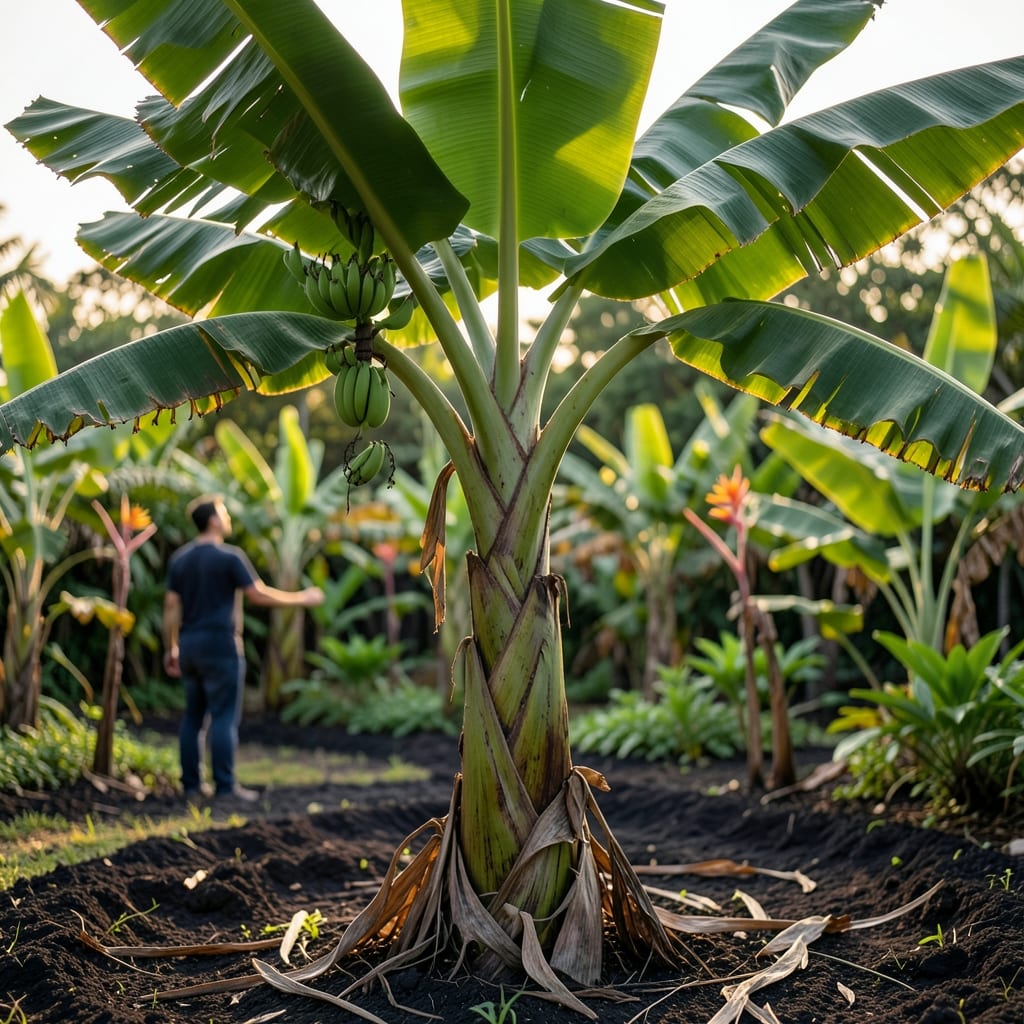
If you’ve ever wondered how tall banana trees can grow, the answer might surprise you—some tower over 30 feet, while others stay small enough for a patio! The height of your 🍌 banana tree depends entirely on its variety, and picking the right one for your space can mean the difference between a lush tropical centerpiece and a manageable container plant.
Whether you’re dreaming of a two-story-tall giant or a compact dwarf variety, understanding these differences is the first step to successful growth. From the Lady Finger (a semi-dwarf favorite) to the Musa acuminata (a true towering giant), each type has unique needs—and knowing them will help you avoid common mistakes like overcrowding or underestimating their size.
But here’s the thing: even the tallest banana trees aren’t just about height. Their growth habits, care requirements, and even whether they’ll thrive in a pot or need a full garden plot all depend on the variety you choose. I’ll break down everything you need to know—so you can pick the perfect 🍌 banana tree for your space, whether you’re in USDA Zone 6 or a warmer climate.
Ready to discover which banana tree will fit your garden—or even your balcony? Let’s dive into the heights, the varieties, and the secrets to keeping them happy, no matter how big (or small) they grow.


Banana tree height by variety: from dwarf to giant species
When you picture a banana tree, you might imagine a towering tropical giant—but the truth is far more diverse! Banana trees come in a stunning range of heights, from compact dwarf varieties perfect for patio pots to monstrous giants that dwarf your backyard. The variety you choose will determine not only how tall your banana tree grows but also how much space it needs and how often it produces fruit.
Most home gardeners assume all banana trees reach skyscraper heights, but that couldn’t be further from the truth. Dwarf Cavendish, for example, maxes out at just 6-12 feet, making it ideal for small gardens or even large containers. Meanwhile, Musa acuminata varieties can shoot up to 20-30 feet, rivaling palm trees in stature. Understanding these differences helps you plan your garden layout and avoid planting a giant where a dwarf would thrive.
Here’s the key takeaway: Banana tree height is directly tied to their genetic variety. Some are bred for small spaces, while others are cultivated for commercial fruit production in tropical regions. Let’s break down the most popular types and their mature heights to help you choose the perfect fit for your growing conditions.
If you’re dreaming of a banana tree that fits neatly on your balcony, the Dwarf Cavendish is your best bet—it stays under 12 feet and produces fruit year-round in warm climates. For a dramatic focal point, Blue Java or Musa acuminata will create a tropical oasis, but they need plenty of space to spread their roots and grow to their full 20-30 foot height.
One common misconception is that banana trees are annuals—they’re not! While the fruit-bearing stalk dies after harvest, the plant itself is a perennial that sends up new shoots from the base. This means your dwarf variety could live for years in a pot, while giants may need more room to regenerate. Always check your local USDA hardiness zone before planting, as even dwarf varieties struggle in freezing temperatures.
For container gardeners, choose varieties like Lady Finger or Ice Cream Banana, which tolerate root confinement better than their towering cousins. Just ensure your pot is at least 18 inches wide and has drainage holes to prevent root rot. In ground, give larger varieties 10-15 feet of clearance from structures and other plants to accommodate their massive leaf canopies.
Pro tip: If you love the look of banana trees but lack space, consider miniature banana varieties like Dwarf Blue or Dwarf Chinese. These stay under 8 feet and thrive in large containers, making them perfect for urban gardens. Just remember—even dwarf varieties need full sun and consistent moisture to reach their potential height.
Whether you’re a city dweller with a balcony or a rural homesteader with acres, there’s a banana tree variety that will fit your space—and your taste for tropical drama. The key is matching the variety’s mature height to your growing conditions. Now that you know the options, which height range speaks to your garden vision?
How growth conditions affect banana tree height
You’ve picked your perfect banana tree variety, but did you know that growth conditions can dramatically alter its height? While genetics set the baseline, factors like climate, sunlight, soil quality, and care practices can push a Dwarf Cavendish to grow taller—or stunt a Musa acuminata from reaching its full potential. Understanding these influences helps you maximize growth (or control it) for your space and climate.
For starters, sunlight exposure is non-negotiable. Banana trees thrive in full sun (6+ hours daily), but too little light stunts growth, while excessive heat without shade can scorch leaves. In USDA Zone 6, where winters dip below freezing, even dwarf varieties may grow slower unless protected. Meanwhile, tropical climates accelerate growth—some Musa acuminata varieties can add 3-5 feet per year with ideal conditions.
Soil plays a critical role too. Banana trees crave rich, well-draining soil with a slightly acidic pH (5.5-6.5). Compacted or waterlogged soil restricts root growth, limiting height. Amend your soil with compost or organic matter to encourage deeper roots and taller stems. In containers, use a lightweight potting mix with perlite to prevent root suffocation, which can stunt growth by up to 40% compared to in-ground plants.
🌱 Maximizing Banana Tree Height
6+ hours daily; use shade cloth in extreme heat.
Balanced NPK (10-10-10) every 4-6 weeks in growing season.
Amend with compost; avoid clay or compacted soil.
Deep soak 1-2 gallons every 3-5 days; morning watering preferred.
🌿 Controlling Banana Tree Height
Reduce feeding in fall/winter to slow growth.
Remove suckers to redirect energy to main trunk.
18-inch pots restrict root growth for dwarf varieties.
Filter sunlight to slow vertical growth in small spaces.
Temperature also impacts height. Banana trees are tropical plants that thrive in 70-90°F ranges. Below 50°F, growth slows dramatically, and frost kills the plant entirely. In colder zones, grow dwarf varieties in containers** and move them indoors during winter. Even a 10°F drop can reduce annual growth by 50%, so mulch heavily in fall to insulate roots.
One surprising factor? Wind exposure. While banana trees need airflow, strong winds can weaken stems, causing them to grow lean or stunted. In exposed areas, stake young plants or use windbreaks until they establish a sturdy trunk. Conversely, sheltered spots encourage straighter, taller growth—ideal for varieties like Blue Java, which naturally reach 20+ feet when given ideal conditions.
Finally, fertilization timing matters. Over-fertilizing in late summer can spur weak, fast growth that collapses under its own weight. Instead, feed balanced fertilizer (10-10-10) in spring and early summer to support strong stem development. For container-grown trees, flush the soil with water monthly to prevent salt buildup, which stunts growth by restricting nutrient uptake.
Armed with these tips, you can coax your banana tree to reach its full height—or keep it compact for your space. Whether you’re aiming for a 30-foot tropical giant or a 6-foot patio plant, the right conditions make all the difference. Which factor will you adjust first to shape your banana tree’s growth? 🌿