
Plants
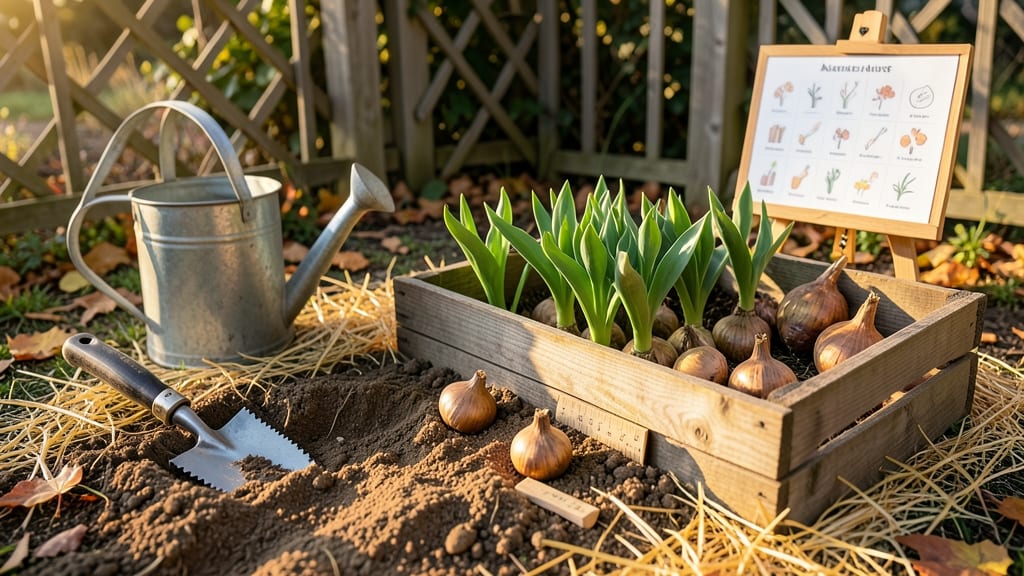
Planting your 🌷 tulip bulbs at the wrong time in Australia could mean waiting years for those vibrant blooms—so timing is everything, especially with our diverse climate zones.
Most Australian gardeners assume spring is the best time, but the secret to success lies in late autumn to early winter planting. This gives the bulbs time to establish strong roots before spring’s growth surge, ensuring those iconic 🌷 tulip blooms appear right on schedule.
Whether you’re in Sydney’s Zone 9-10 or Melbourne’s cooler Zone 8-9, the ideal window is April to June. The key is planting when soil temperatures drop but before the first frost hits—typically 4-6 weeks before your region’s last frost date.
In this guide, I’ll break down the exact planting months for each Australian climate zone, plus soil prep tips and common mistakes to avoid. Let’s get those bulbs in the ground the right way!
Best autumn planting months for tulip bulbs in Australia’s 5 climate zones
Australia’s diverse climate zones mean timing is critical for tulip bulb success. Plant too early, and bulbs rot; too late, and they won’t establish roots before spring.
The golden rule? Plant 4-6 weeks before your region’s first frost—but since frost varies wildly across Australia, we’ll break it down by zone.
Most Australian gardeners plant tulip bulbs in late autumn (April–June), but your exact window depends on whether you live in Temperate Sydney, Subtropical Brisbane, or Arid Perth. Let’s dive into the ideal months for each zone, including soil temperature triggers to ensure your bulbs thrive.
Pro Tip: Use a soil thermometer—tulip bulbs need 10–15°C soil temps to root before winter dormancy. In cooler zones, aim for April–May; in warmer areas, June is safer. Miss this window, and you risk bulbs sprouting too early or rotting in wet soil.
For Temperate zones like Sydney, aim for late April to early May—this gives bulbs 6–8 weeks to root before winter. In Melbourne’s cooler microclimates, you might push to mid-May if frost isn’t forecasted until July. Always check your local Bureau of Meteorology frost dates to adjust.
In Subtropical Brisbane, the window narrows to May–June because humidity and warmth can cause bulbs to rot. Choose disease-resistant varieties like 'Red Emperor' and plant in full sun with improved drainage. Add a handful of perlite to planting holes to prevent soggy soil.
Tropical regions like Cairns are tricky—Tulips hate heat and may refuse to bloom. If you’re determined, plant in June–July (the coolest months), use shade cloth, and expect smaller flowers. Container growing with winter protection works best here.
For Arid Perth, timing aligns with the first autumn rains (usually May). The key is moisture retention: mulch with straw or pebbles and water deeply but infrequently to mimic natural rainfall patterns. Avoid planting in sandy soil without amendments—tulips need loamy, fertile soil.
Finally, Mediterranean climates (like parts of Western Australia) benefit from April–May planting. Summer droughts mean bulbs must establish roots before the heat returns. Use drip irrigation for the first 4 weeks post-planting to ensure consistent moisture.
Remember: Bulb quality matters. Choose firm, plump bulbs from reputable suppliers like Bunnings or local nurseries. Smaller bulbs (like 10/0 size) may take 2 years to flower, while larger ones (12/0+) bloom the first spring. Store bulbs in a cool, dry place until planting day.
How to prepare your soil and site for tulip bulbs before planting
Preparing your soil and site is just as important as choosing the right planting time for tulip bulbs. These vibrant flowers thrive in specific conditions, and a little prep work now will ensure healthy roots and stunning blooms next spring.
Start by testing your soil drainage—tulips hate soggy roots, so well-draining soil is non-negotiable. If your garden retains too much moisture, consider amending it with sandy loam or gravel.
Next, focus on sunlight. Tulips crave full sun exposure, meaning at least 6 hours of direct sunlight daily. Pick a spot in your garden that gets morning sun and afternoon shade if you live in a hotter climate zone like Perth or Adelaide.
Avoid shady corners where bulbs may struggle to bloom. If you’re planting in containers, choose pots with drainage holes and place them where they’ll get plenty of light.
- Test soil drainage: Dig a hole, fill it with water, and time how long it takes to drain. If it takes longer than 4 hours, amend with sand or perlite.
- Loosen the soil: Use a garden fork to aerate the area to a depth of 12 inches, breaking up compacted layers.
- Add compost: Mix in 2-3 inches of well-rotted compost or aged manure to enrich the soil with nutrients.
- Adjust pH if needed: Tulips prefer slightly neutral to acidic soil (pH 6.0-7.0). Test your soil and amend with lime or sulfur if necessary.
- Remove weeds: Clear the planting area of weeds, grass, or debris to prevent competition for nutrients.
- Mark planting spots: Use a stick or garden marker to outline where you’ll plant bulbs, spacing them 4-6 inches apart.
Don’t forget to protect your bulbs from pests like slugs and snails, which love munching on tender tulip foliage. After planting, apply a natural slug bait or set up a beer trap to keep these critters at bay.
If you’re in a cooler climate like Melbourne or Hobart, consider adding a light mulch layer (like straw or bark chips) to insulate the soil and retain moisture during winter.
One final tip: If your soil is particularly heavy or clay-based, consider planting tulips in raised beds or container gardens. This gives you better control over drainage and soil quality, which is crucial for bulb longevity.
With the right prep, your tulips will establish strong roots and reward you with show-stopping blooms in spring.
Once your soil is prepped, you’re ready to plant those bulbs at the perfect time for your climate zone. Just remember: well-draining soil + full sun = happy tulips! 🌱