
Plants
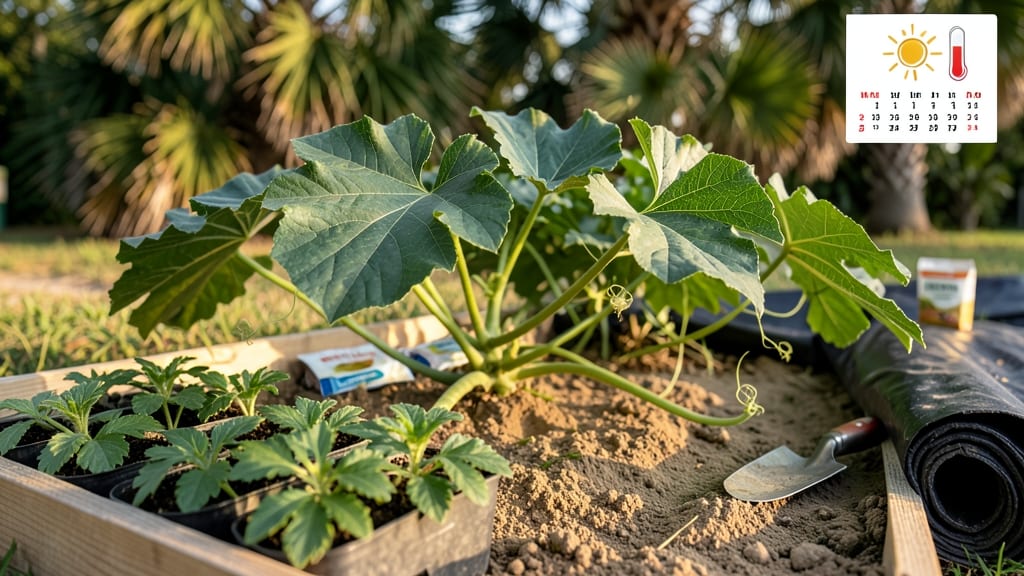
Optimal planting windows for Florida watermelons by region (North vs. central vs. south)
Florida’s three distinct climate zones mean your watermelon planting window depends heavily on where you live. The Panhandle (North Florida) has cooler winters and earlier springs, while South Florida’s tropical climate allows for year-round growth with careful timing.
Let’s break down the ideal planting months for each region to maximize your harvest.
For North Florida (USDA Zones 8a–9a), aim to plant watermelon seeds 2–4 weeks after your last frost date, typically between mid-March and early April. This gives seedlings time to establish before summer’s intense heat.
In Central Florida (Zones 9a–10a), you can start as early as late February in protected beds, but direct sowing begins in March to early April.
South Florida (Zones 10b–11) gardeners have the advantage of no frost risk, but timing still matters. Plant seeds January through March for an early harvest, or late summer (August–September) for a fall crop. Just be mindful of hurricane season (June–November), which can damage vines or delay ripening.
Here’s the critical rule: Wait until soil temperatures reach at least 70°F—cold soil slows germination and invites rot. Use a soil thermometer to check before planting. In Florida’s heat, seeds can rot if planted too early in cool, damp soil.
| Region | Climate Zone | Best Planting Window | Soil Temp Requirement | Hurricane Risk |
|---|---|---|---|---|
| North Florida | 8a–9a | Mid-March–Early April | 70°F+ | Low (June–Oct) |
| Central Florida | 9a–10a | Late Feb–Early April | 70°F+ | Moderate (June–Oct) |
| South Florida | 10b–11 | Jan–Mar OR Aug–Sep | 75°F+ (Aug–Sep) | High (June–Nov) |
🌡️ Pro Tip: Use black plastic mulch to warm soil faster in cooler zones.
If you’re in North or Central Florida, consider starting seeds indoors 4–6 weeks before your target planting date. Use biodegradable pots to avoid transplant shock. For South Florida, succession planting in late summer can yield a second harvest before frost (though frost is rare).
Just watch for hurricane warnings—secure trellises or row covers if storms are forecasted.
Another key factor is day length. Watermelons thrive with 12+ hours of daylight, so planting too early in short winter days can stunt growth. In South Florida, summer planting (August) aligns perfectly with longer days and warmer soil.
For container gardening, plant seeds in 5-gallon pots with well-draining soil and move containers to full sun areas. Containers warm up faster than ground soil, so you can plant 1–2 weeks earlier than in-ground gardens. Just ensure pots have drainage holes to prevent root rot.
Finally, avoid planting watermelons in the same spot yearly. Rotate crops to prevent soil-borne diseases like fusarium wilt, which thrives in Florida’s humid climate. Use cover crops like clover in off-seasons to improve soil health.
Timing your watermelon planting right in Florida isn’t just about the calendar—it’s about soil warmth, hurricane risks, and daylight hours. With these regional guidelines, you’ll be well on your way to a bountiful, sweet harvest! 🌱
Optimal planting windows for Florida watermelons by region (North vs. central vs. south)
Florida’s climate varies dramatically from the Panhandle to South Florida, so planting times must adapt. The last frost date (typically mid-March in North Florida) signals the start, but soil temperature—70°F+—is the real trigger for germination.
In South Florida, where frost is rare, focus on avoiding hurricane season (June–November) and extreme summer heat.
North Florida gardeners (Zones 8a–9a) should plant transplants or seeds in late March to early April after soil warms. Central Florida (Zones 9a–9b) can start early April to mid-April, while South Florida (Zone 10a+) enjoys a longer window from mid-April through May to escape peak hurricane risks.
Here’s how to align your planting with Florida’s three regions for maximum success:
For direct-seeded watermelons, wait until soil is consistently 70°F+—use a soil thermometer to avoid false starts.
In North Florida, cover seeds with black plastic mulch to warm the soil faster. Transplants (available at nurseries) let you jumpstart growth but require hardening off for 7–10 days before outdoor planting.
Pro tip: In South Florida, aim to harvest by late August to avoid hurricane season’s wind damage. Use trellises or cages for vining varieties to protect fruit from flying debris during storms.
Timing isn’t just about heat—it’s about pest pressure. Planting too early invites cucumber beetles, while late plantings may face powdery mildew from humidity. Balance is key!